‘Where the Wild Returns’
Room to Recover: A documentary photo essay exploring rewilding projects across Dorset.
Where the Wild Returns is a research-led photography project that documents rewilding and nature recovery efforts across Dorset. It explores how land, once used intensively for agriculture or industry, is being returned to nature, and how people are learning to work with the land in new ways. These sites, at various stages of restoration, contribute to ongoing conversations about ecology, biodiversity, land use, and our evolving relationship with the natural world.
At a time when the climate crisis and environmental degradation dominate headlines, this project offers a counter narrative. Rather than focusing on loss, it looks at regeneration. When ecosystems are given the chance to recover, whether through active intervention or by being left alone, there are signs of return: insects, birds, pollinators, and native plants beginning to re-establish themselves.
The work examines not just the landscapes, but the people behind them: conservationists trialling new approaches, farmers moving toward regenerative models, landowners creating space for natural processes, and volunteers maintaining habitats and monitoring wildlife. In many of these places, rewilding also fosters a sense of community through shared work, knowledge exchange, and collective care for the environment.
It also asks broader questions. What does it mean to let go of control? What role should humans play in shaping or stepping back from the land? What can we learn from places that are being allowed to change on their own terms?
At its core, Where the Wild Returns is about listening, to the land, to those working with it, and to the signs of renewal that often go unnoticed.
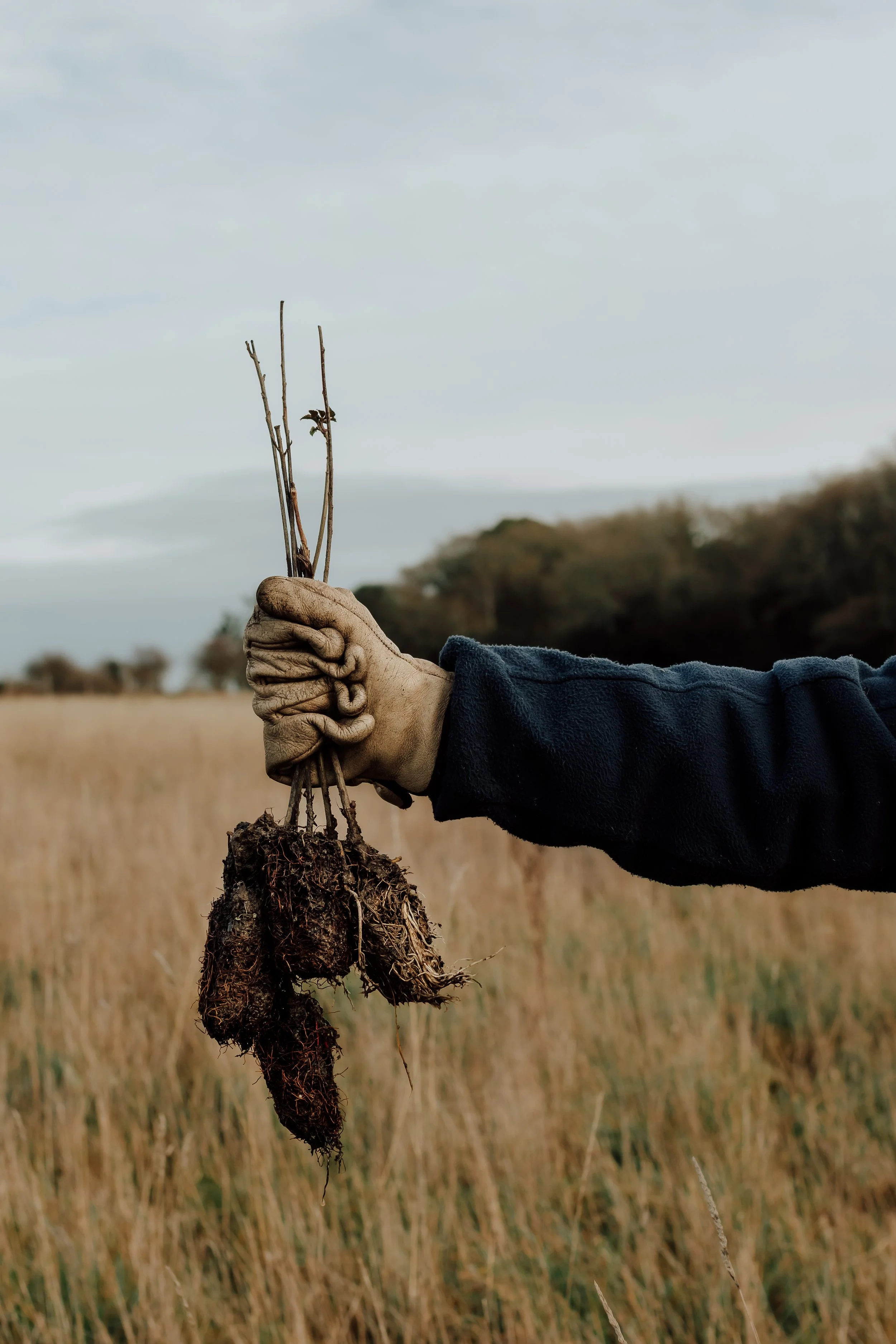
600 trees being planted at a smaller rewilding site in West Holme, Dorset - December '25

Ripples on the Little Piddle - Lyscombe, Dorset - January '26
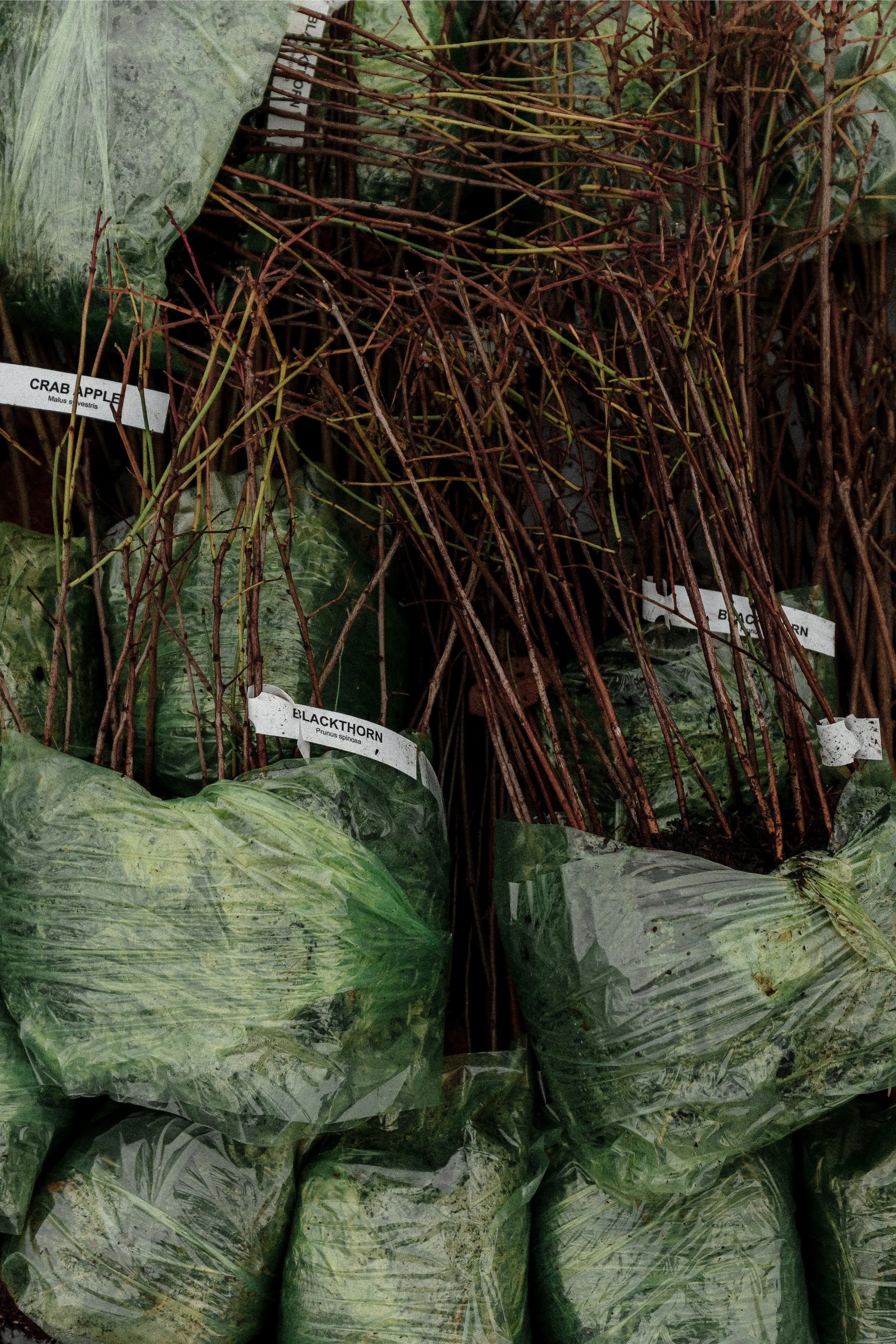
Rowan, Crab and Hawthorn saplings - 400 awaiting planting at Wild Woodbury - November '25
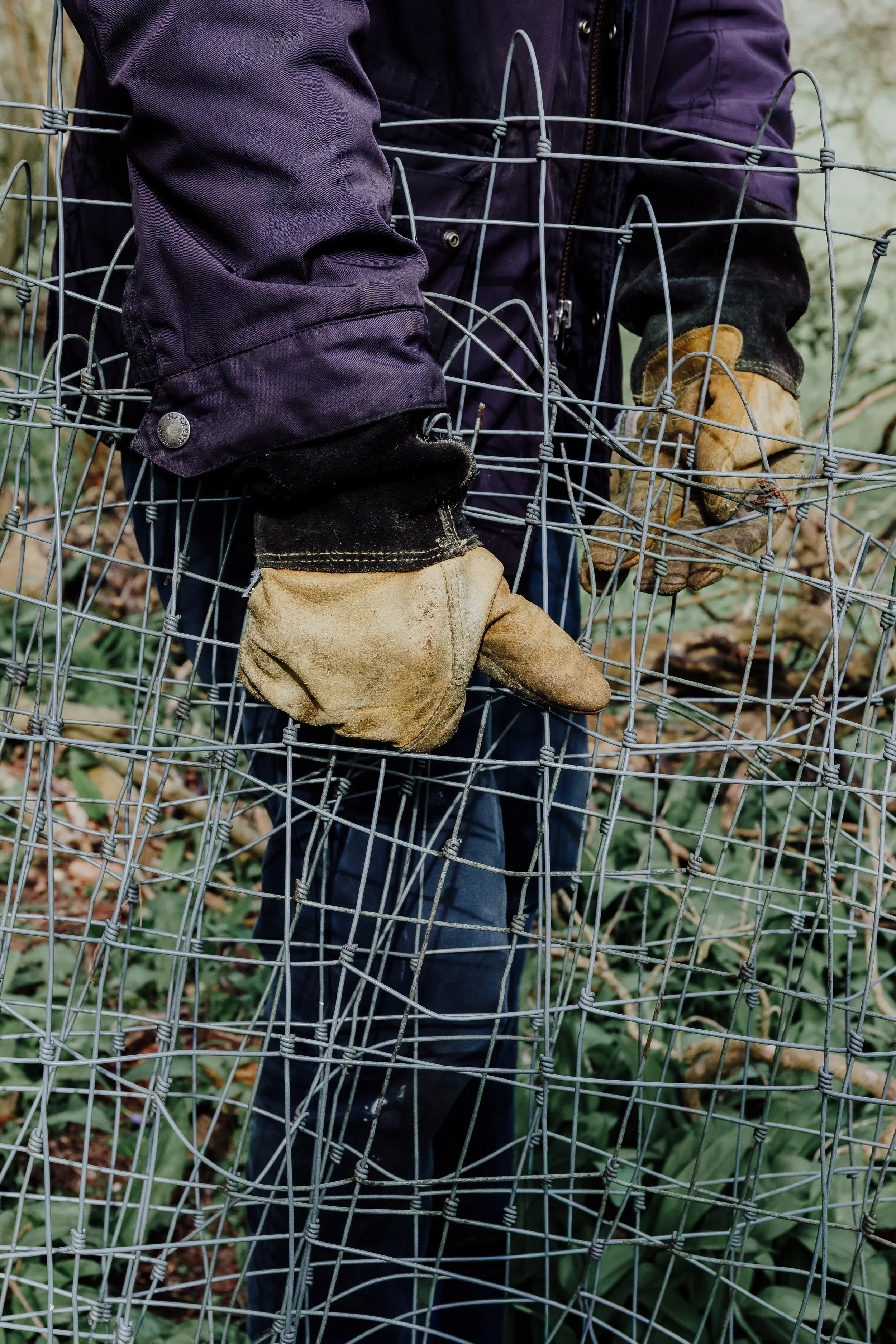
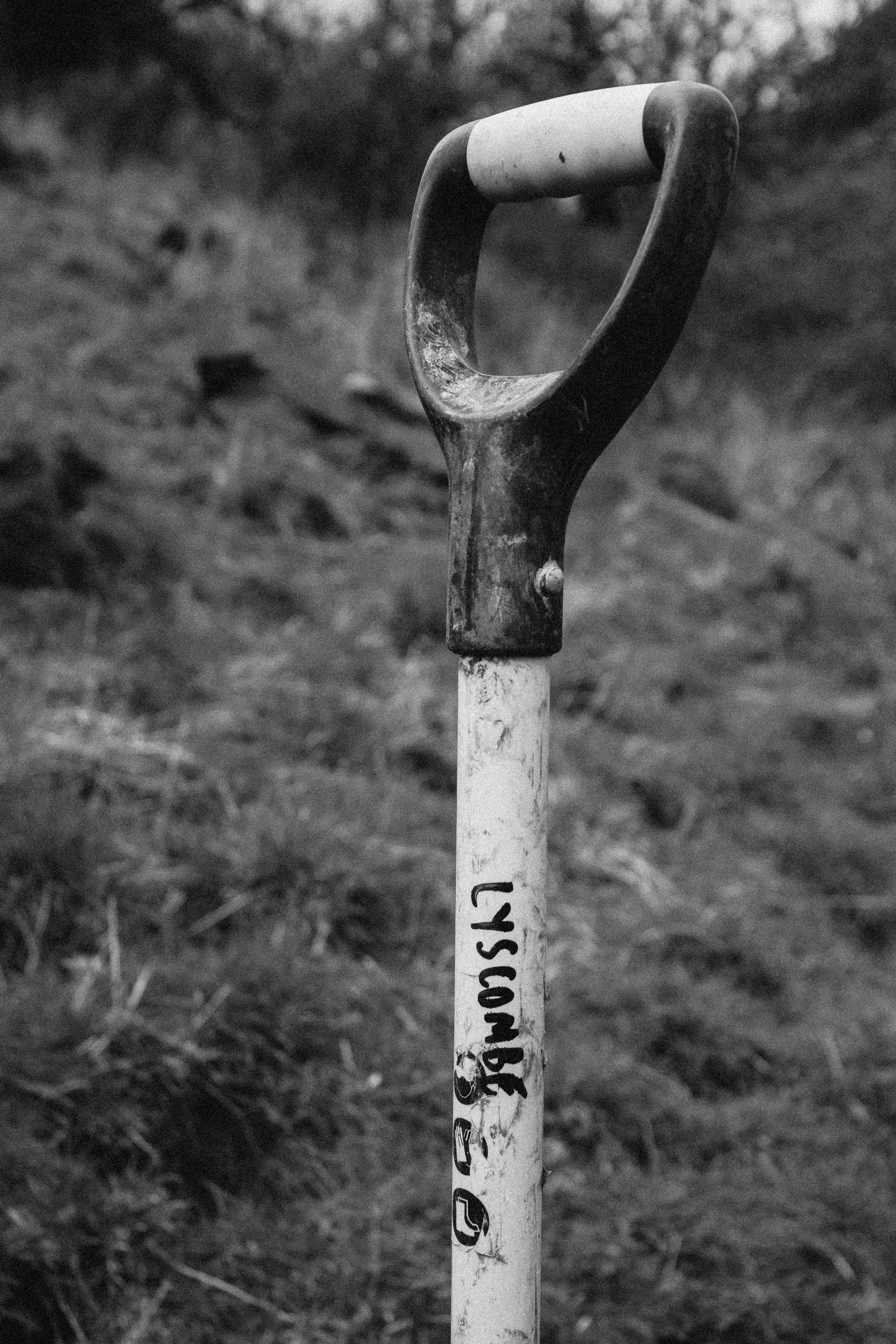
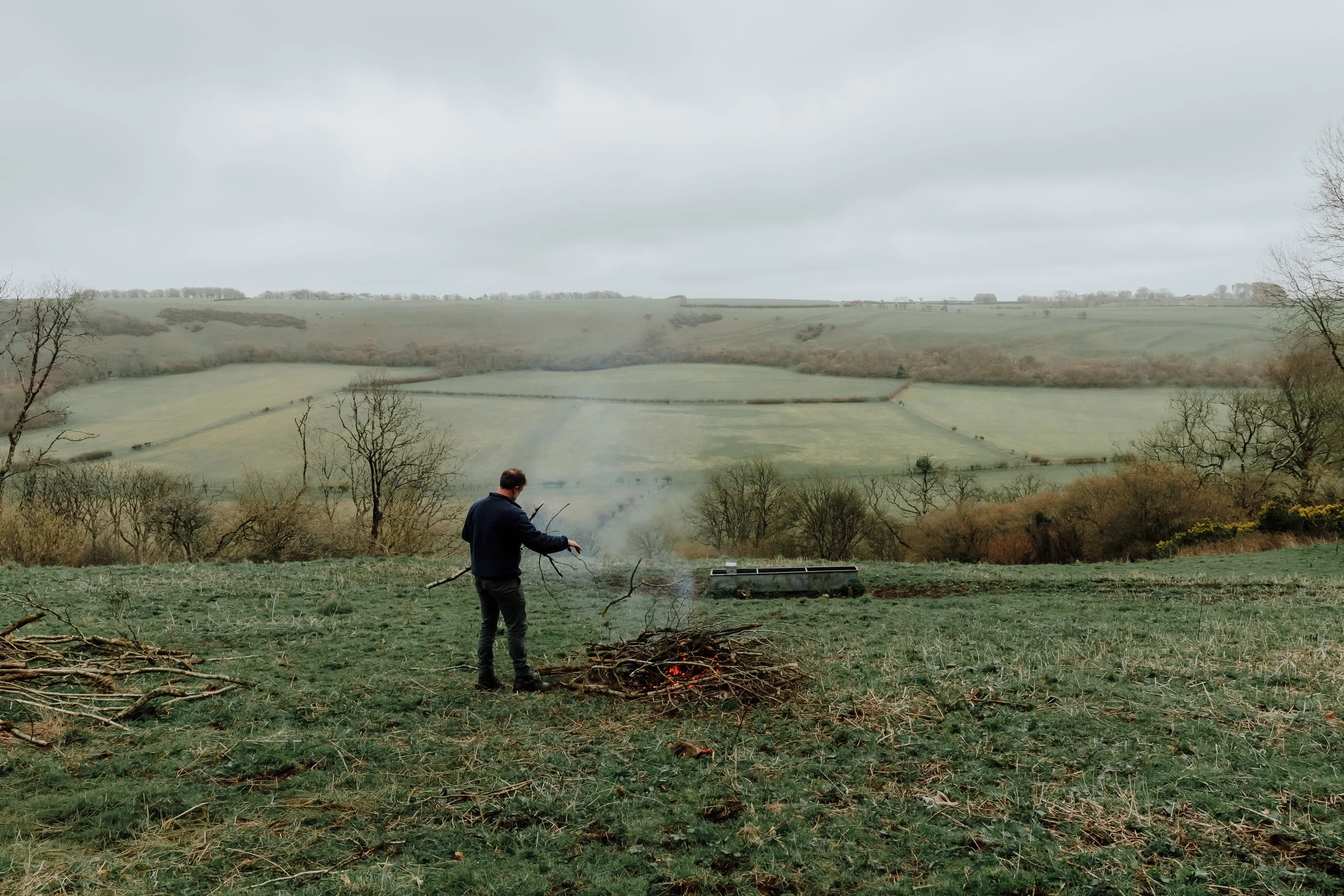
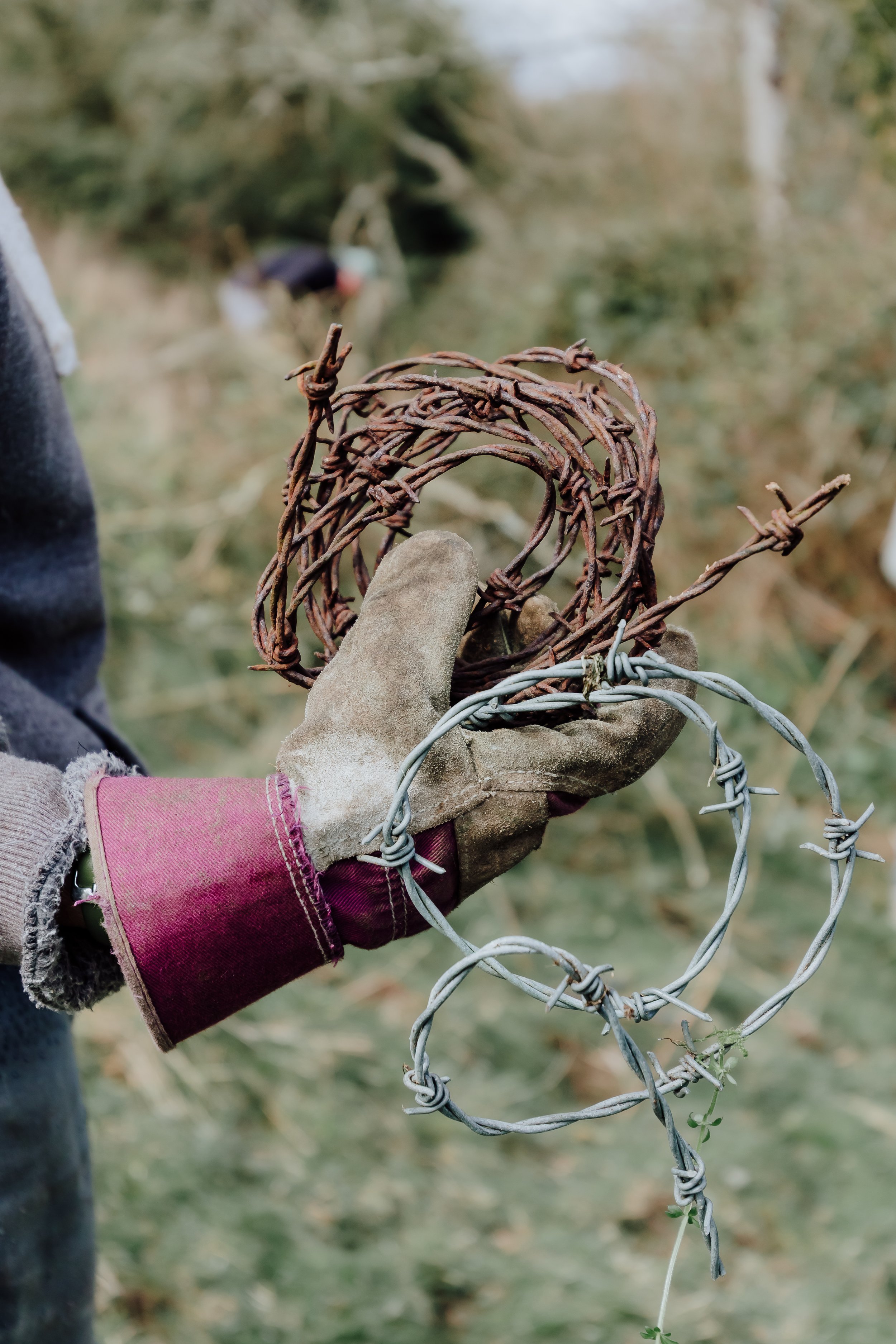
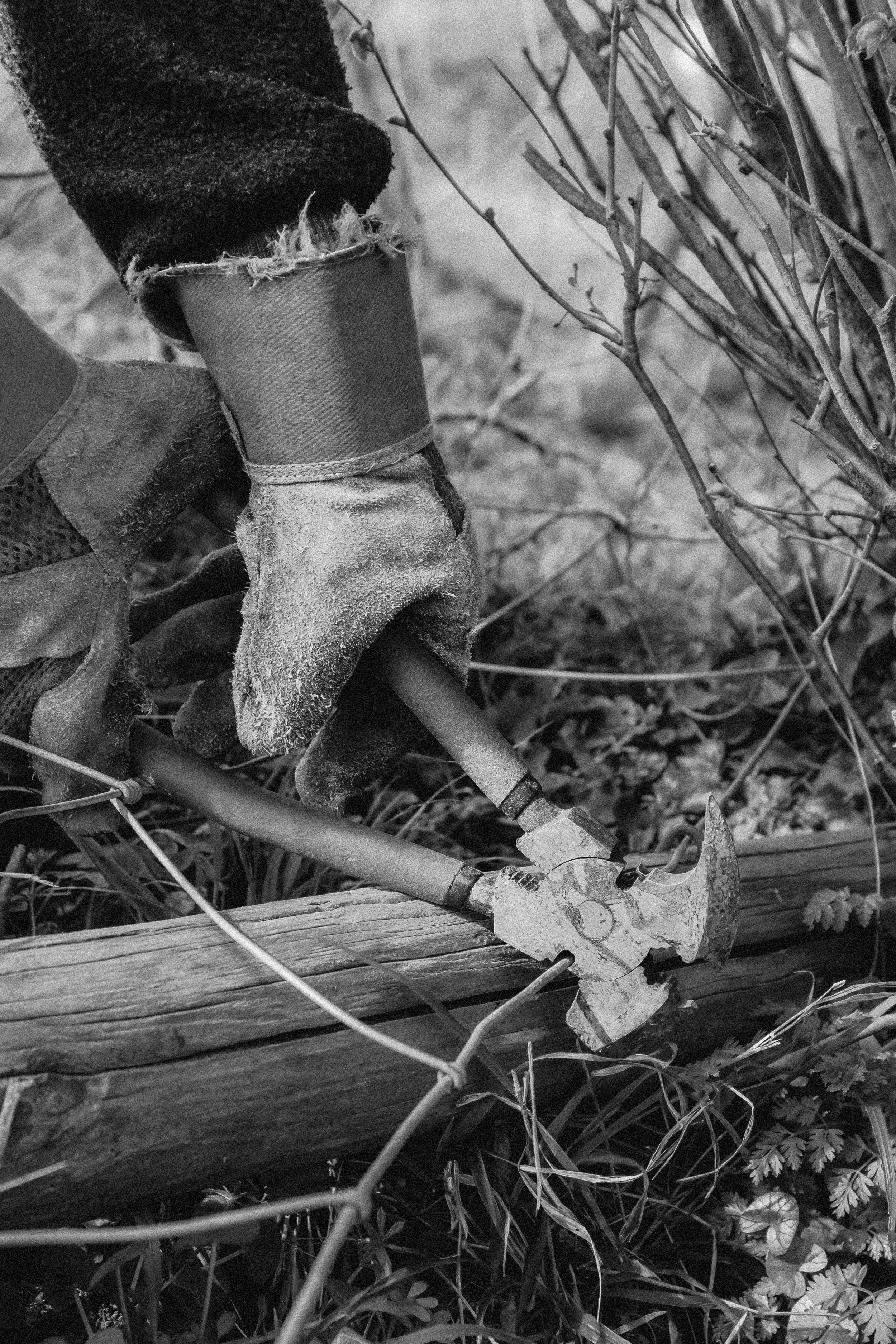
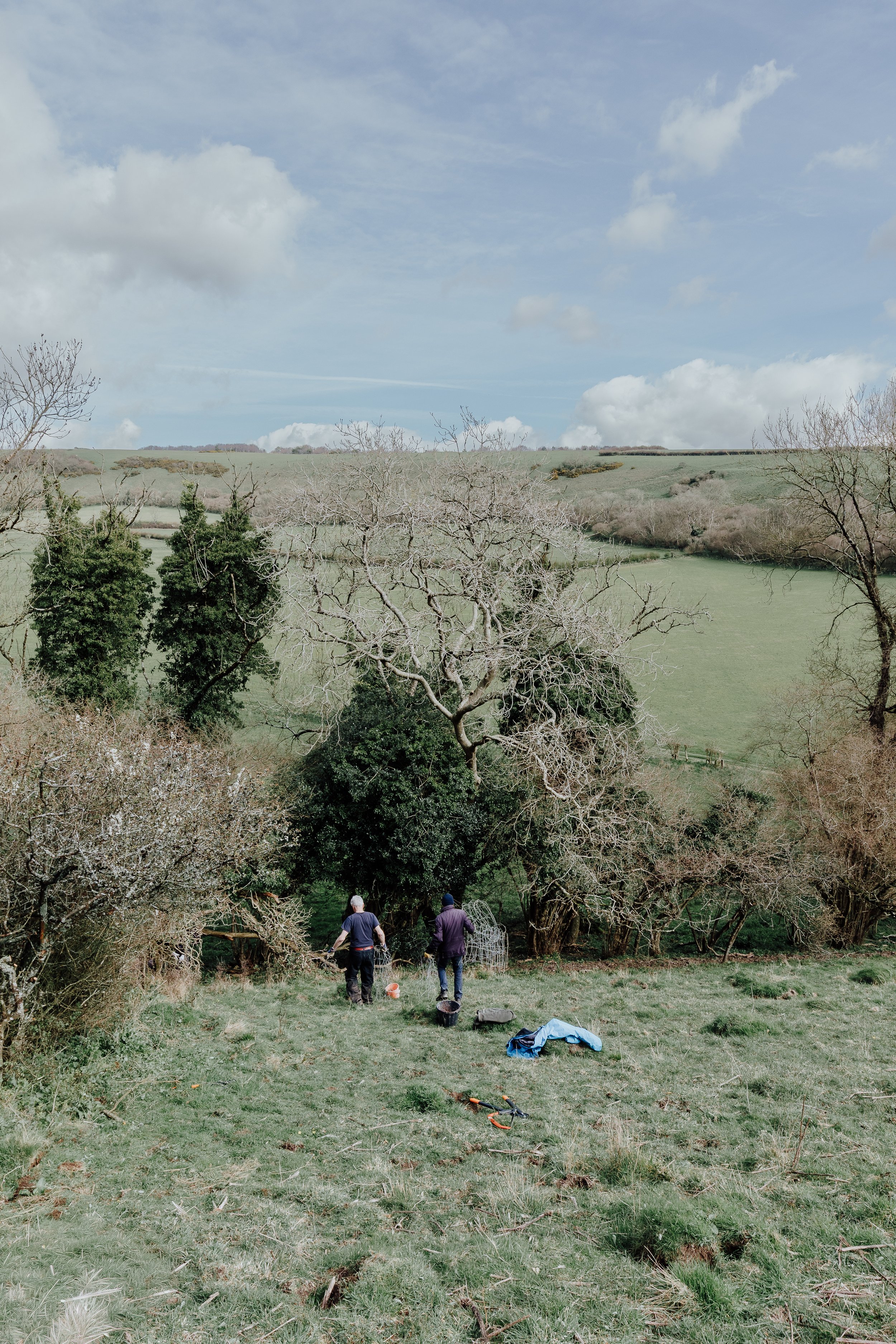
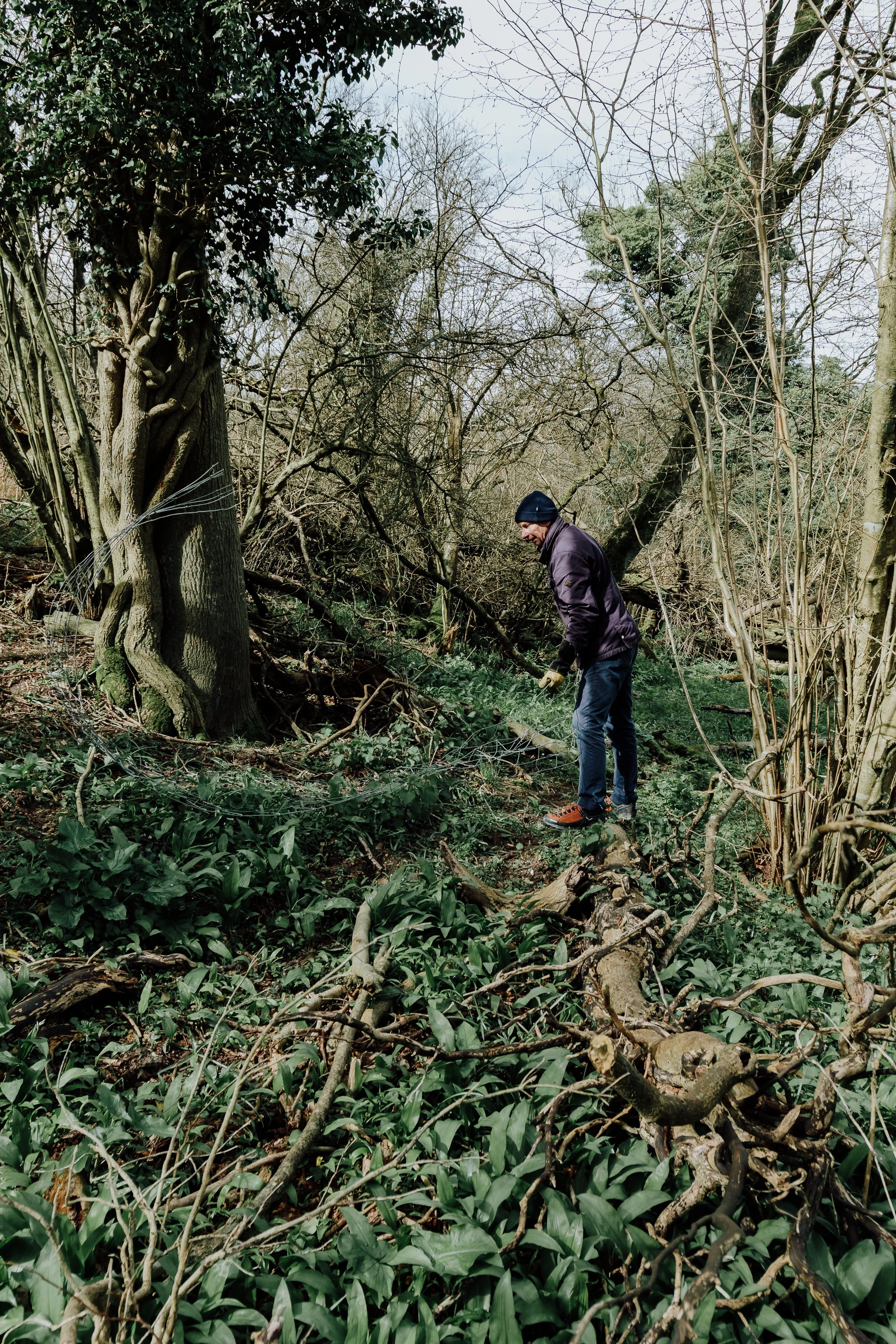
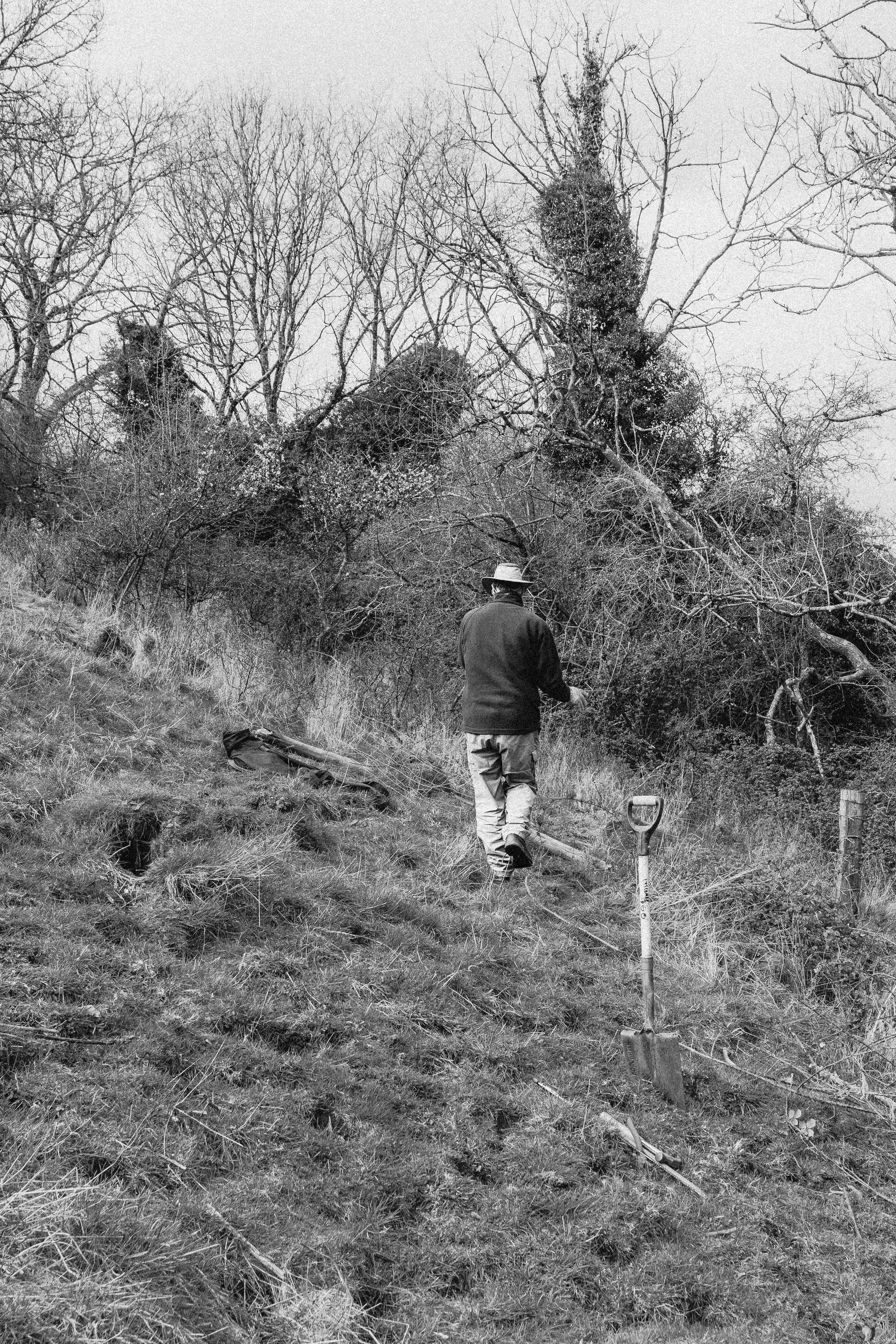
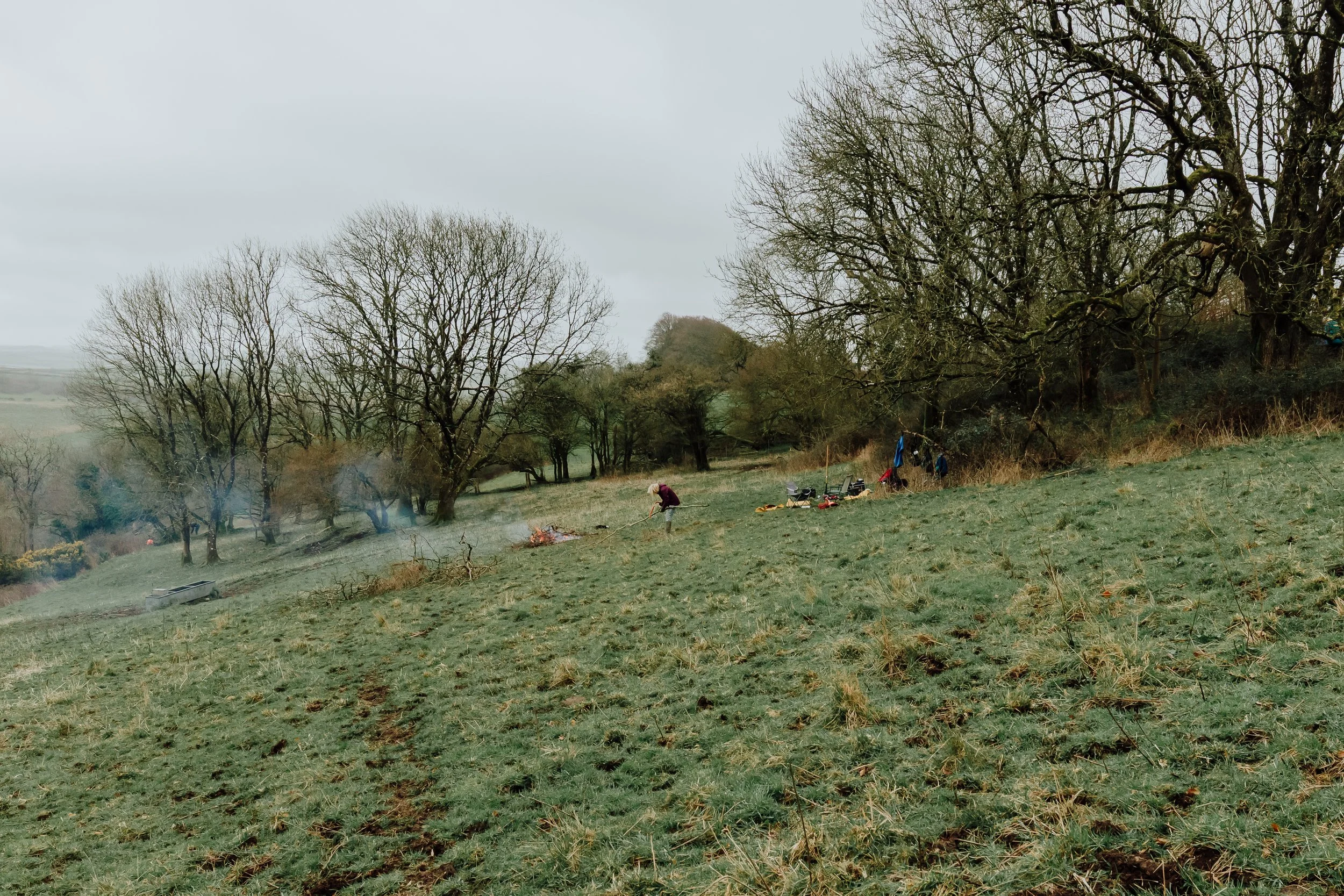
Clearing and burning shrub to open a natural pathway for livestock movement across the land. Lyscombe, Dorset - February '26.
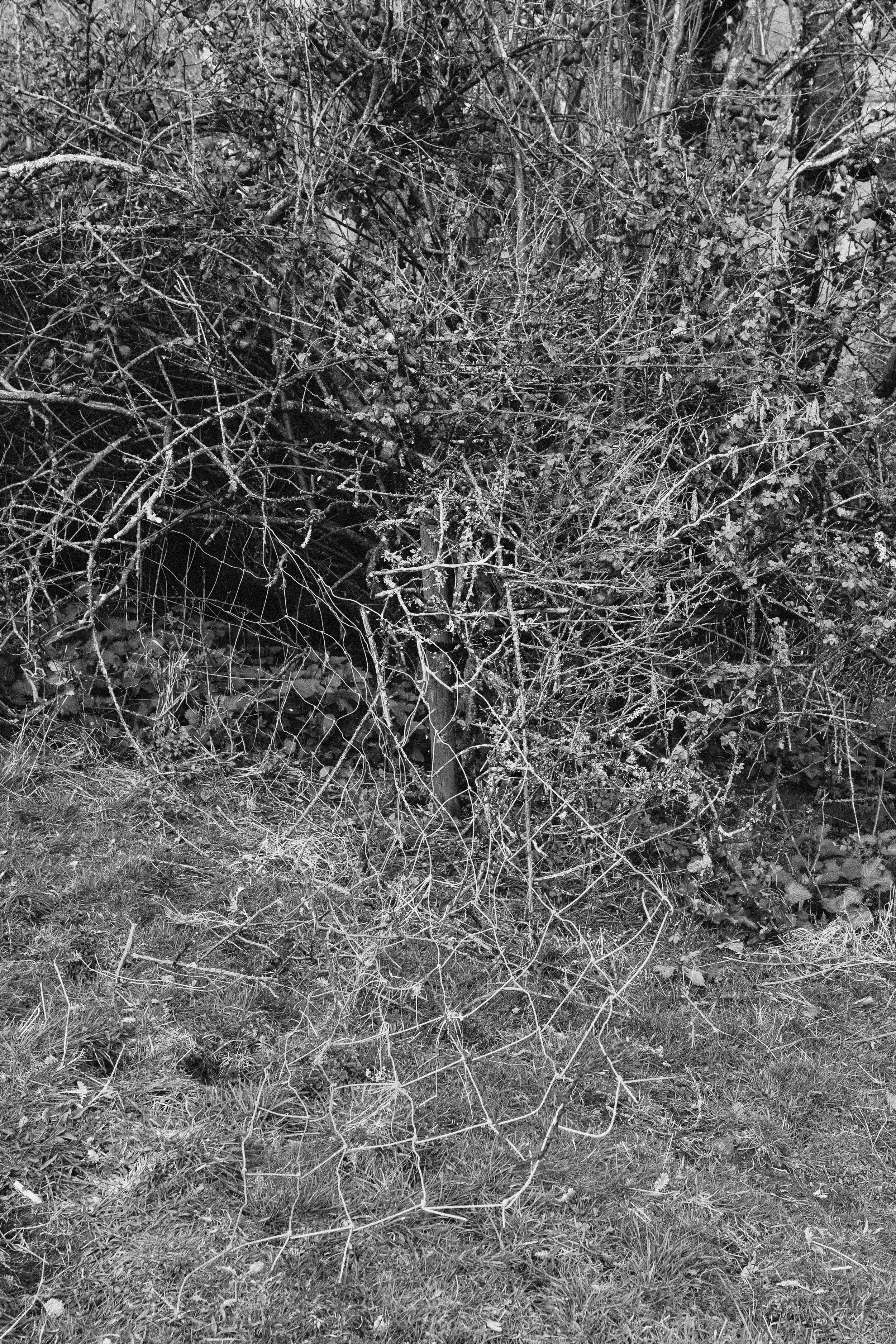
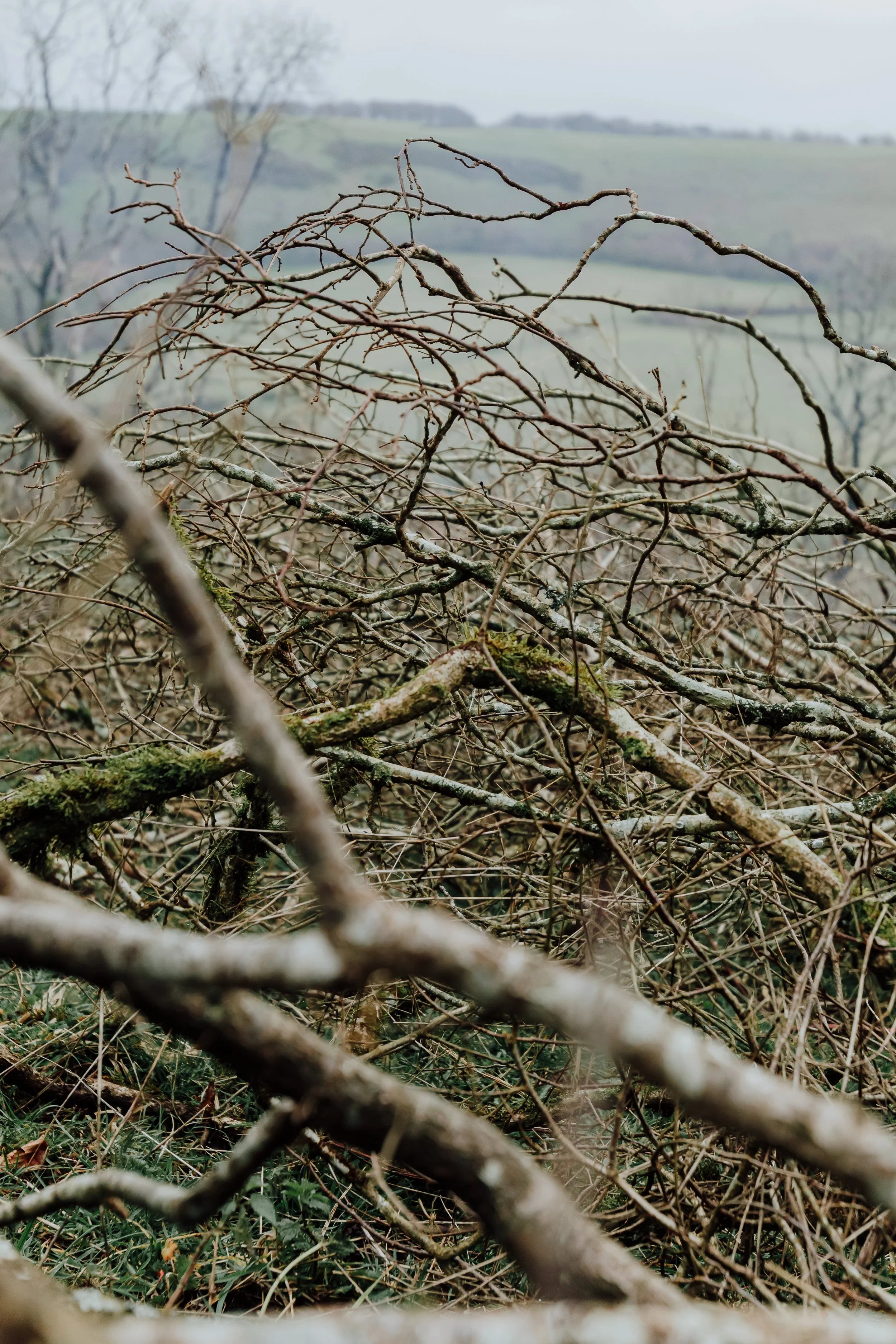
Cut scrub gathered into a pile, ready to be burned as part of land management at Lyscombe, Dorset - February '26.
Regenerating vegetation along the wetland edge at Wild Woodbury – Late Summer ’25
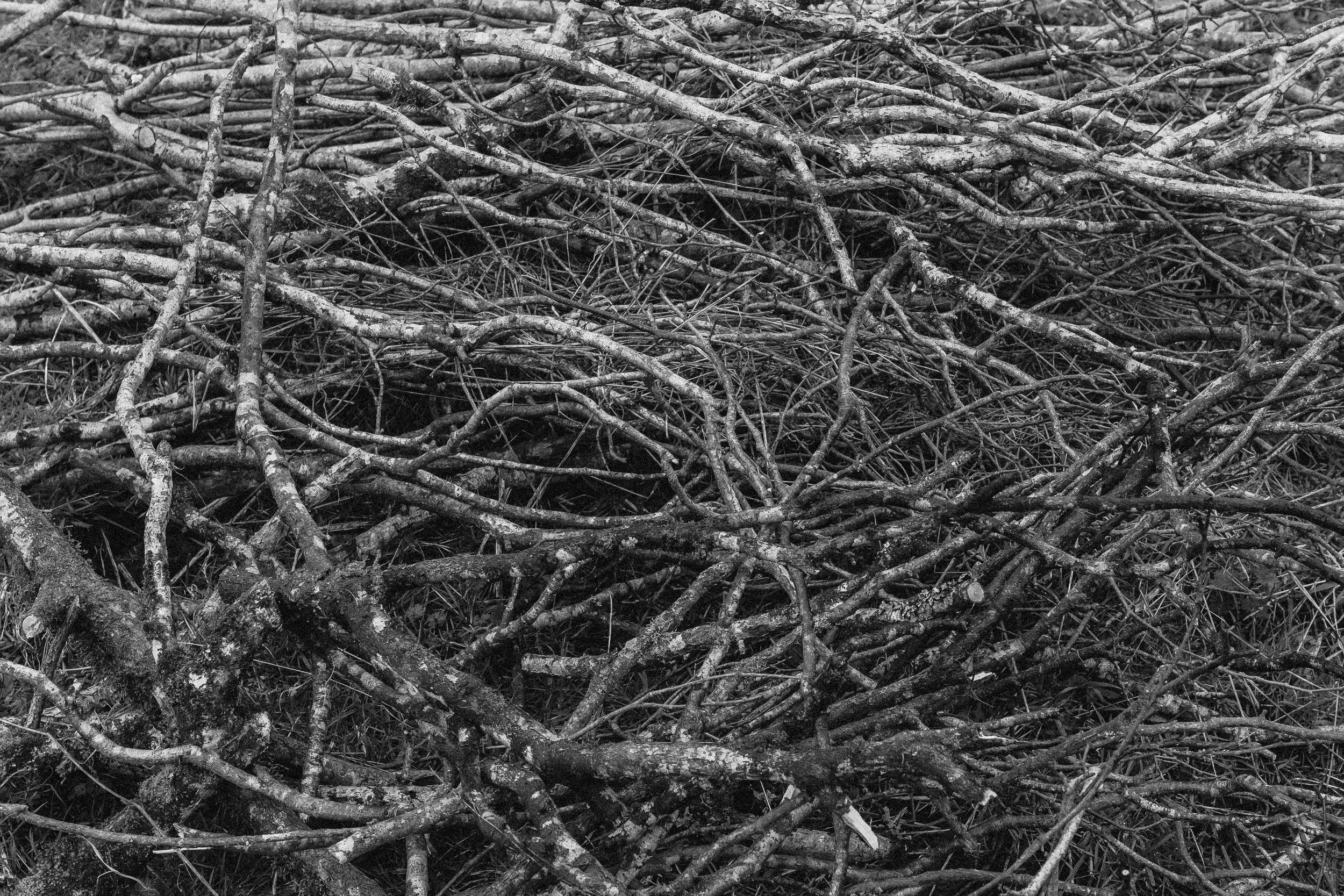
Cut scrub gathered into a pile, ready to be burned as part of land management at Lyscombe, Dorset - February '26.
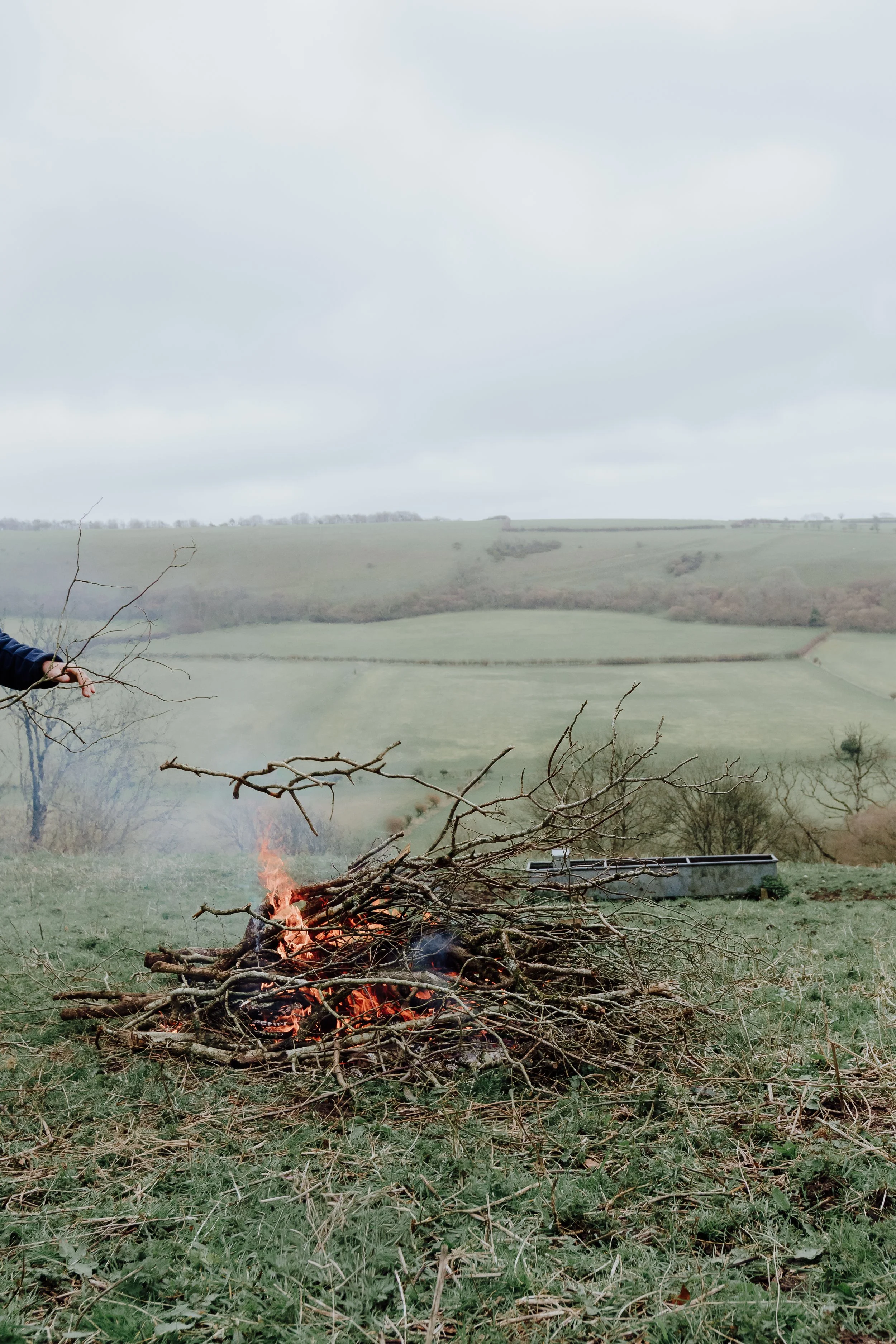
A bonfire burning cut scrub cleared from the land, Lyscombe, Dorset - February '26
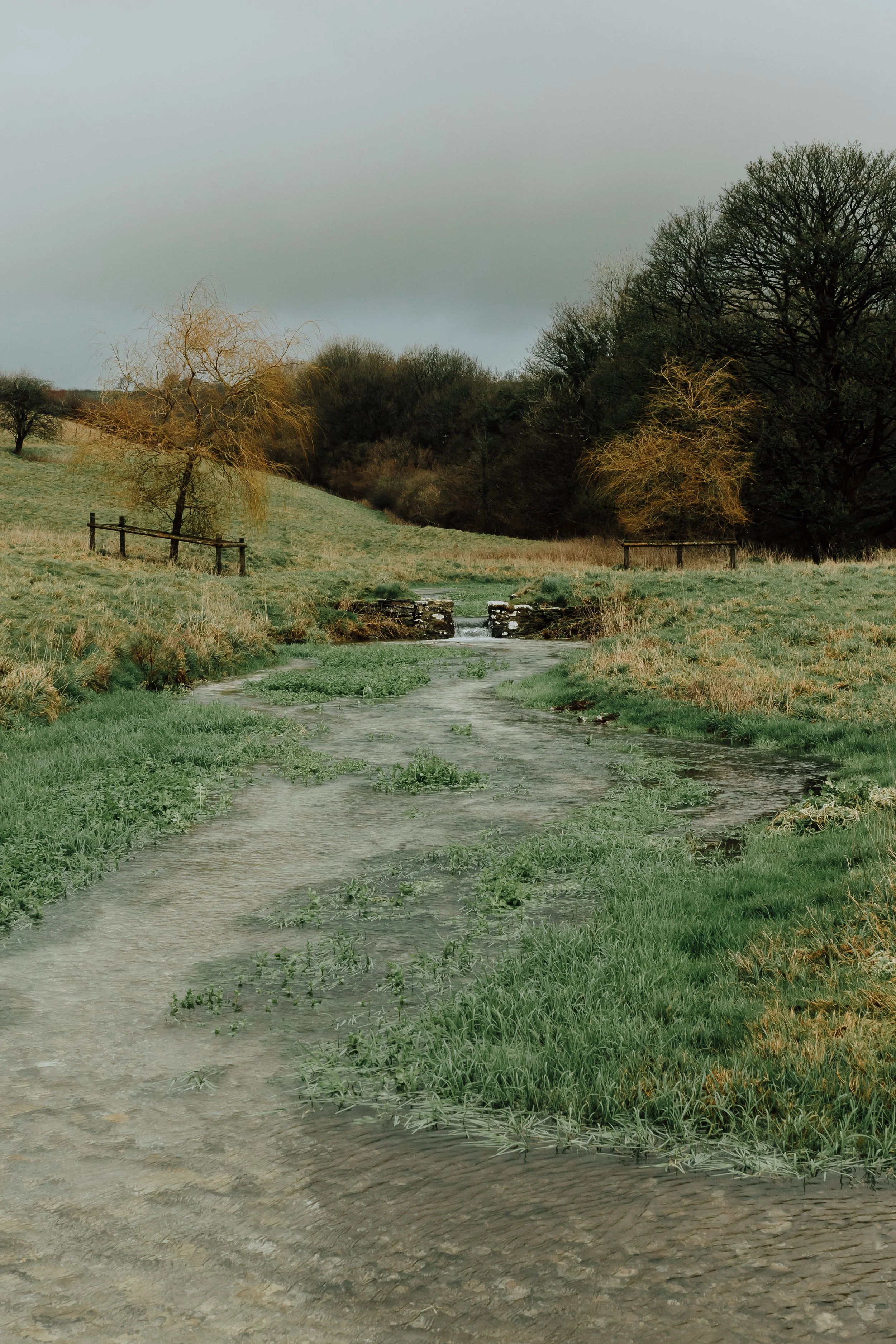
The Little Piddle flowing through Lyscombe, where restoration plans will allow the river to follow a more natural path and support a wetland habitat. - February '26
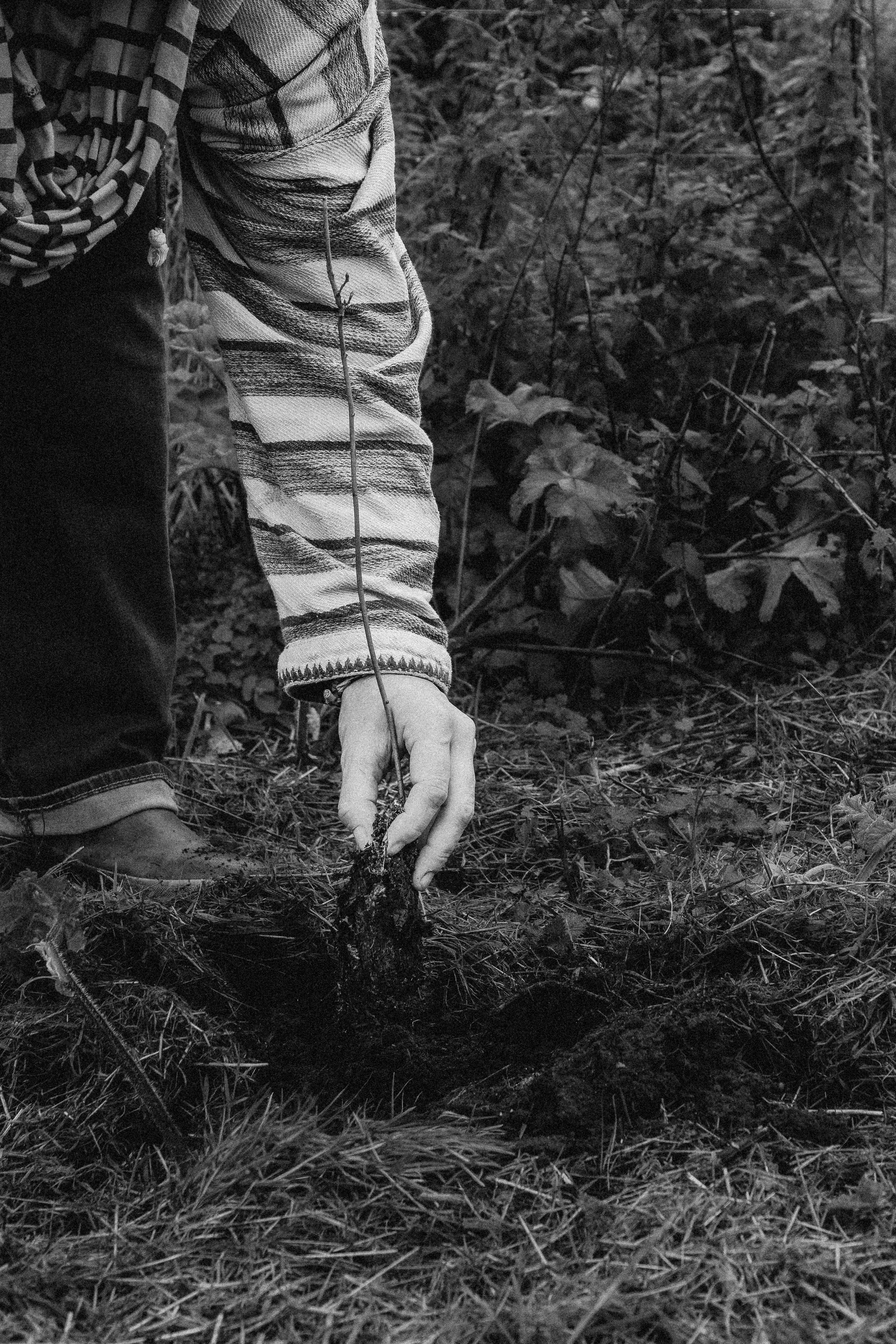
Community tree planting for an edible Orchard at Wild Woodbury - November '25
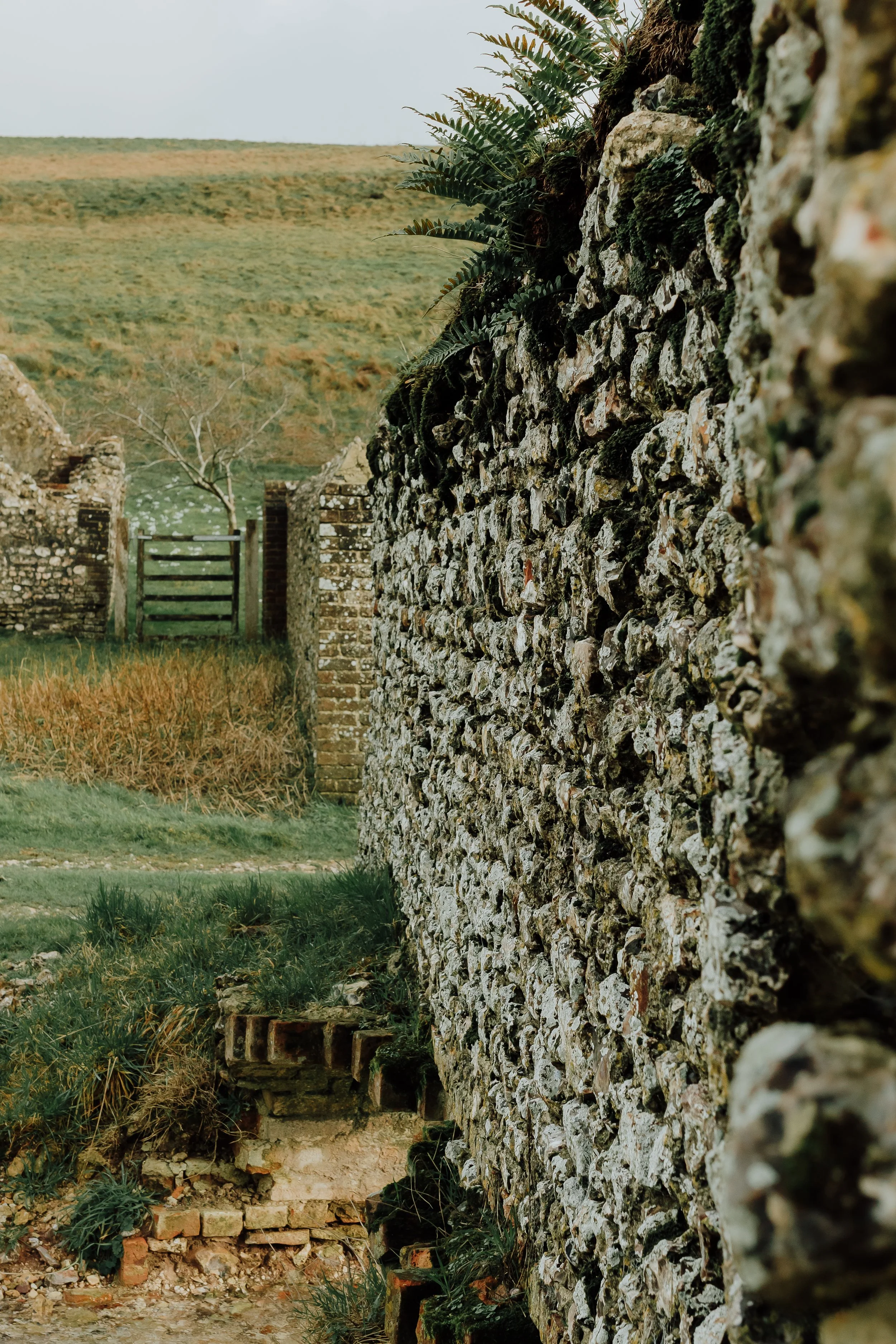
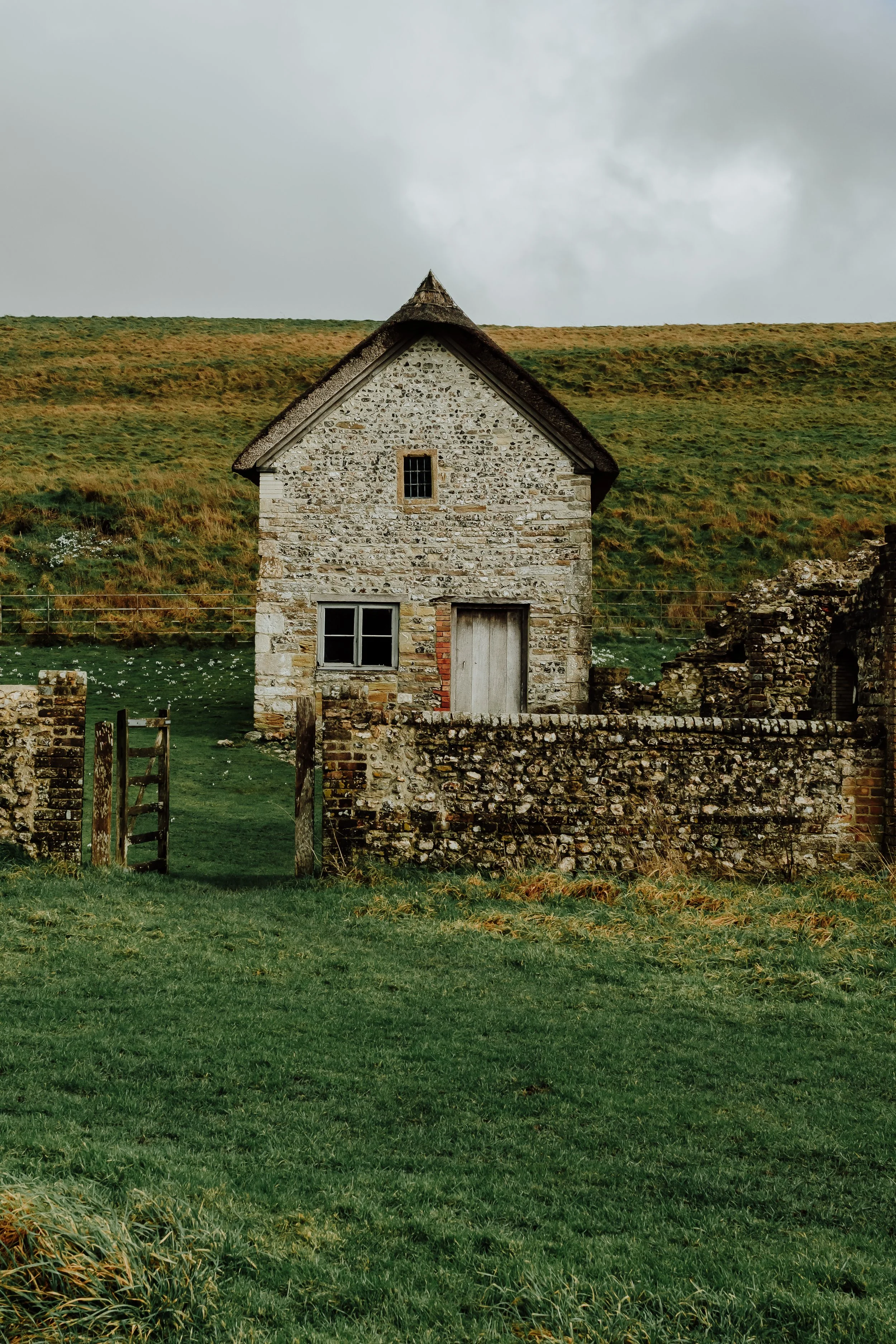
Lyscombe Chapel, a Scheduled Monument within the 335-hectare Lyscombe Farm rewilding site managed by the Dorset Wildlife Trust and partners, reflects the historic relationship between people and this landscape - January '26.
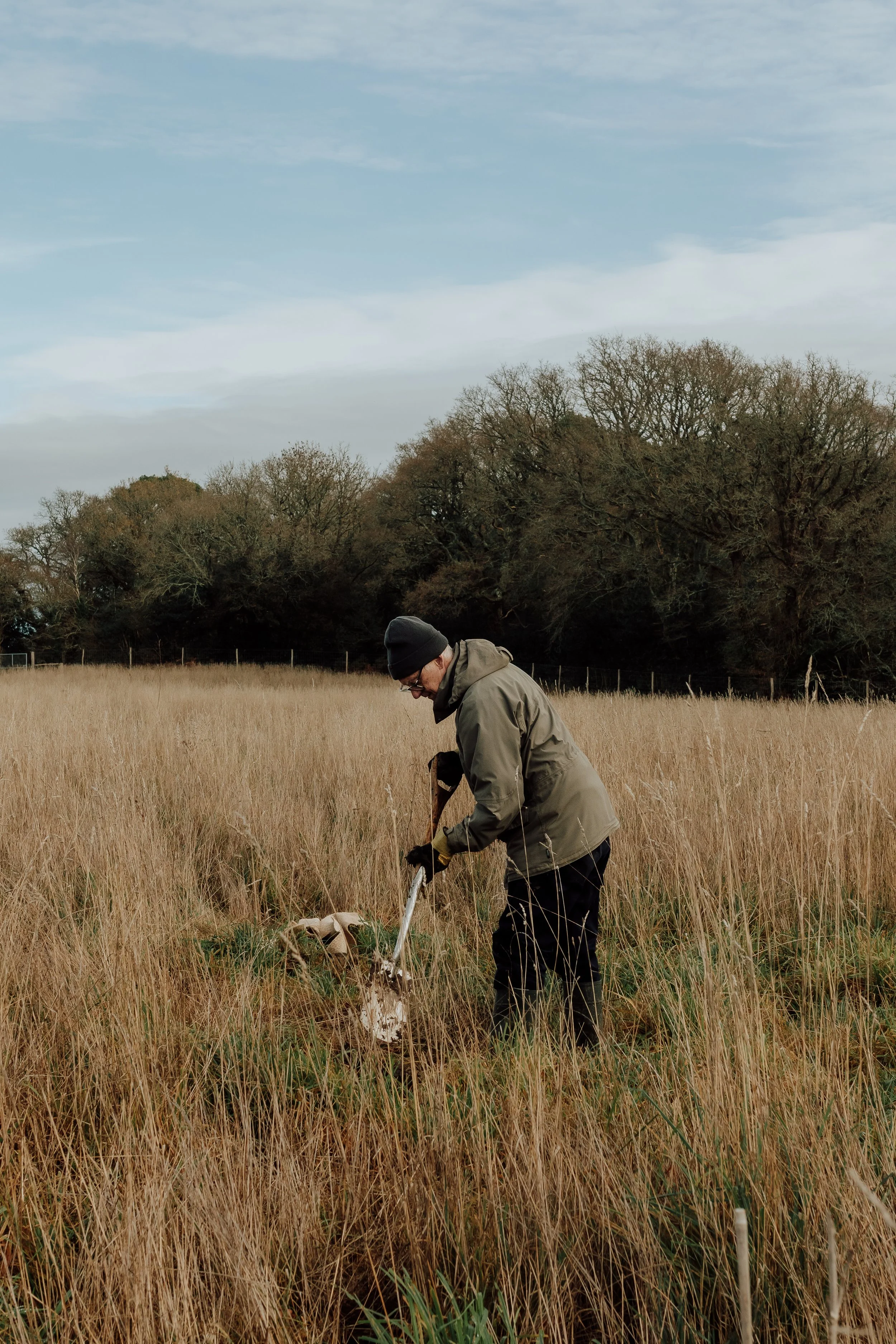
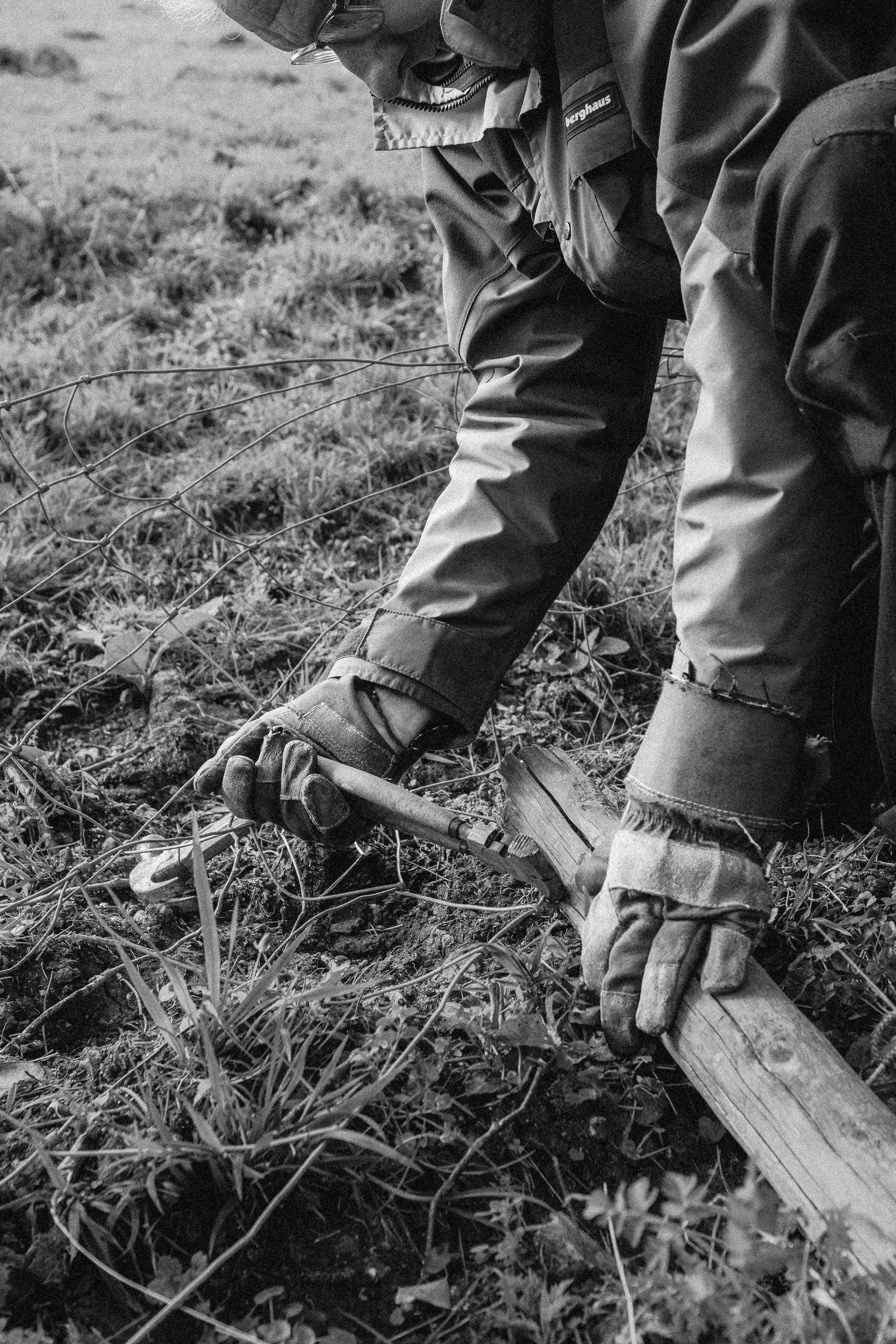
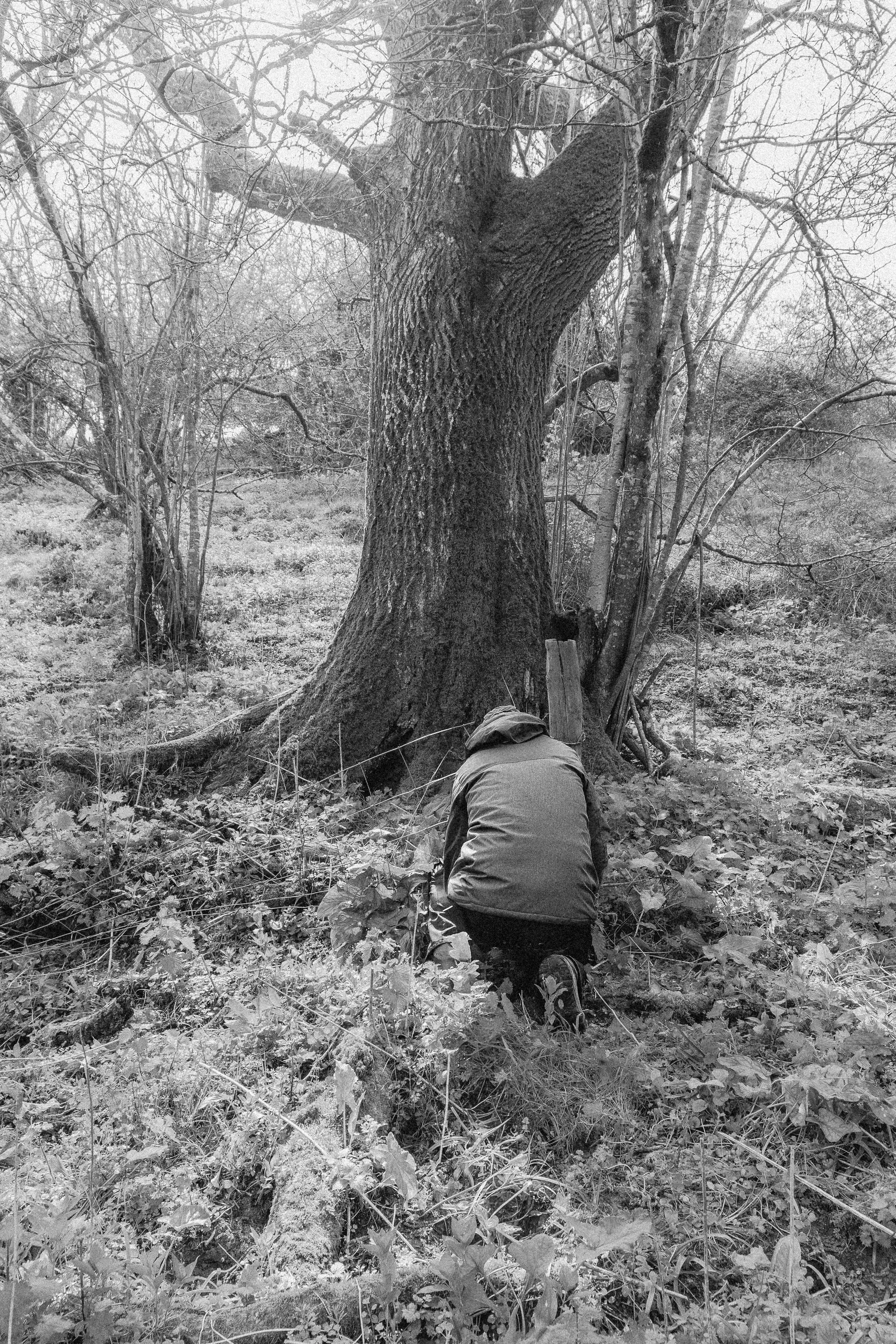
A volunteer planting trees at West Holme rewilding site - December '25
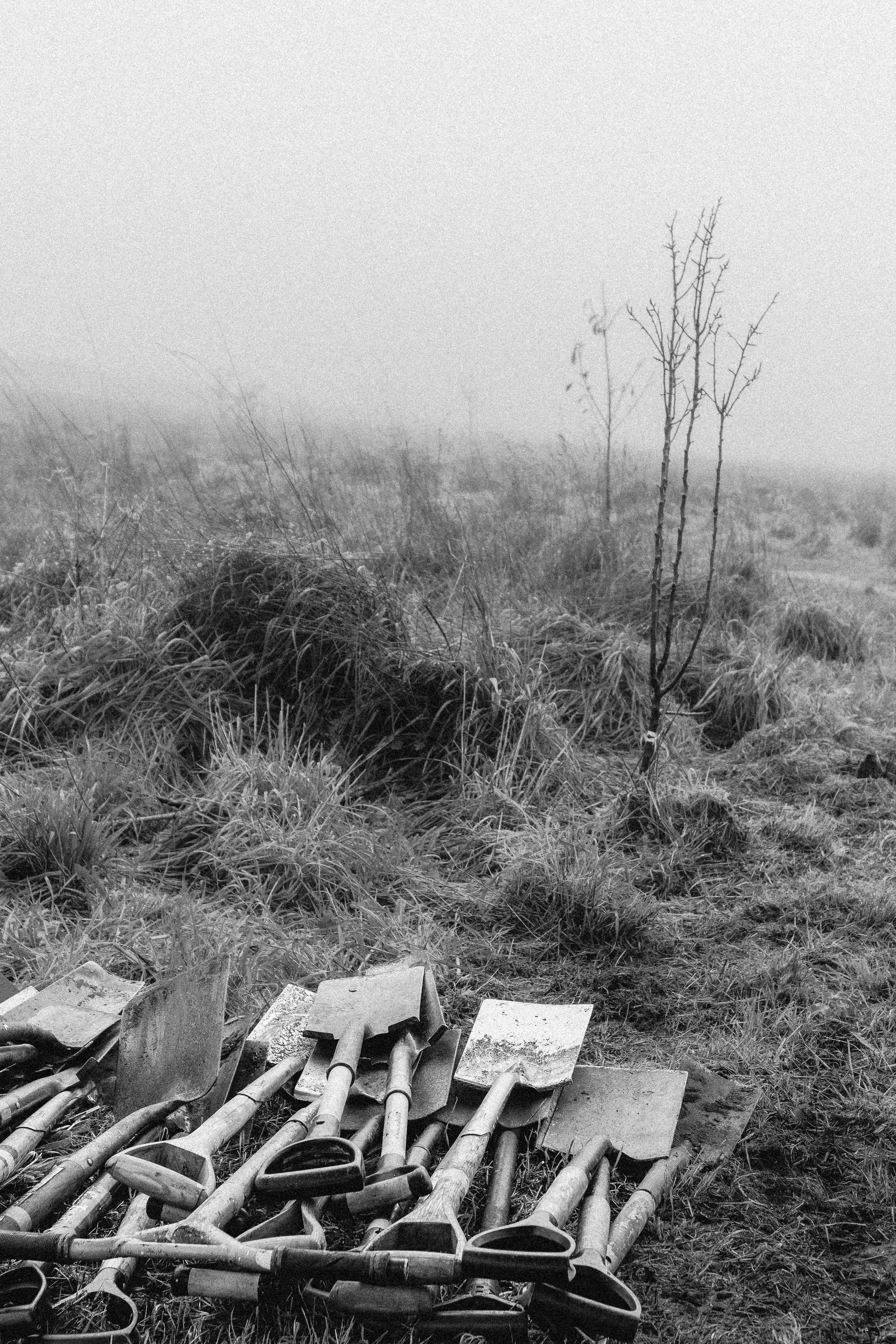
Community tree planting for an edible orchard at Wild Woodbury - November '25
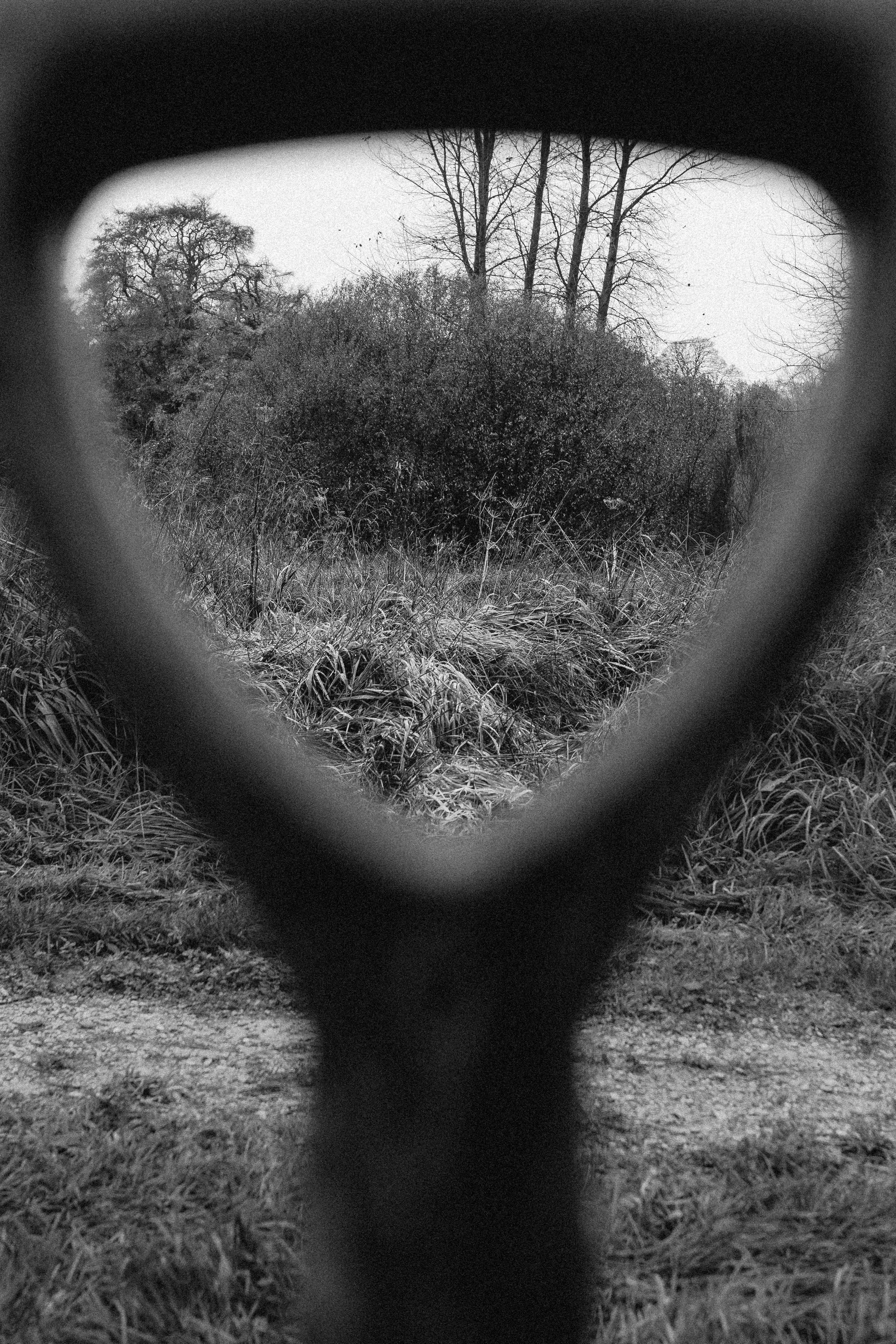
Community tree planting for an edible Orchard at Wild Woodbury - November '25
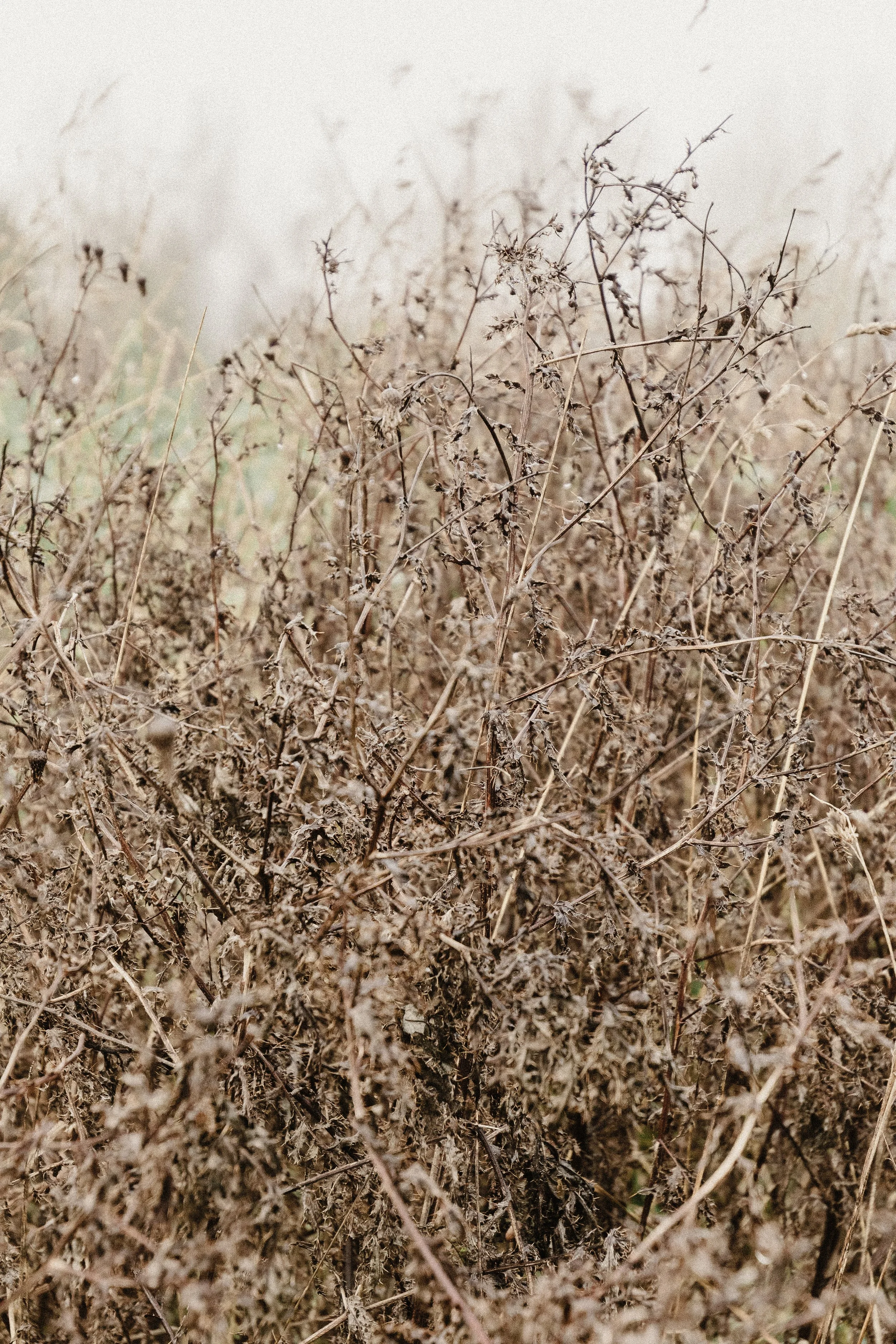
Winter Foliage at Wild Woodbury - November 25'
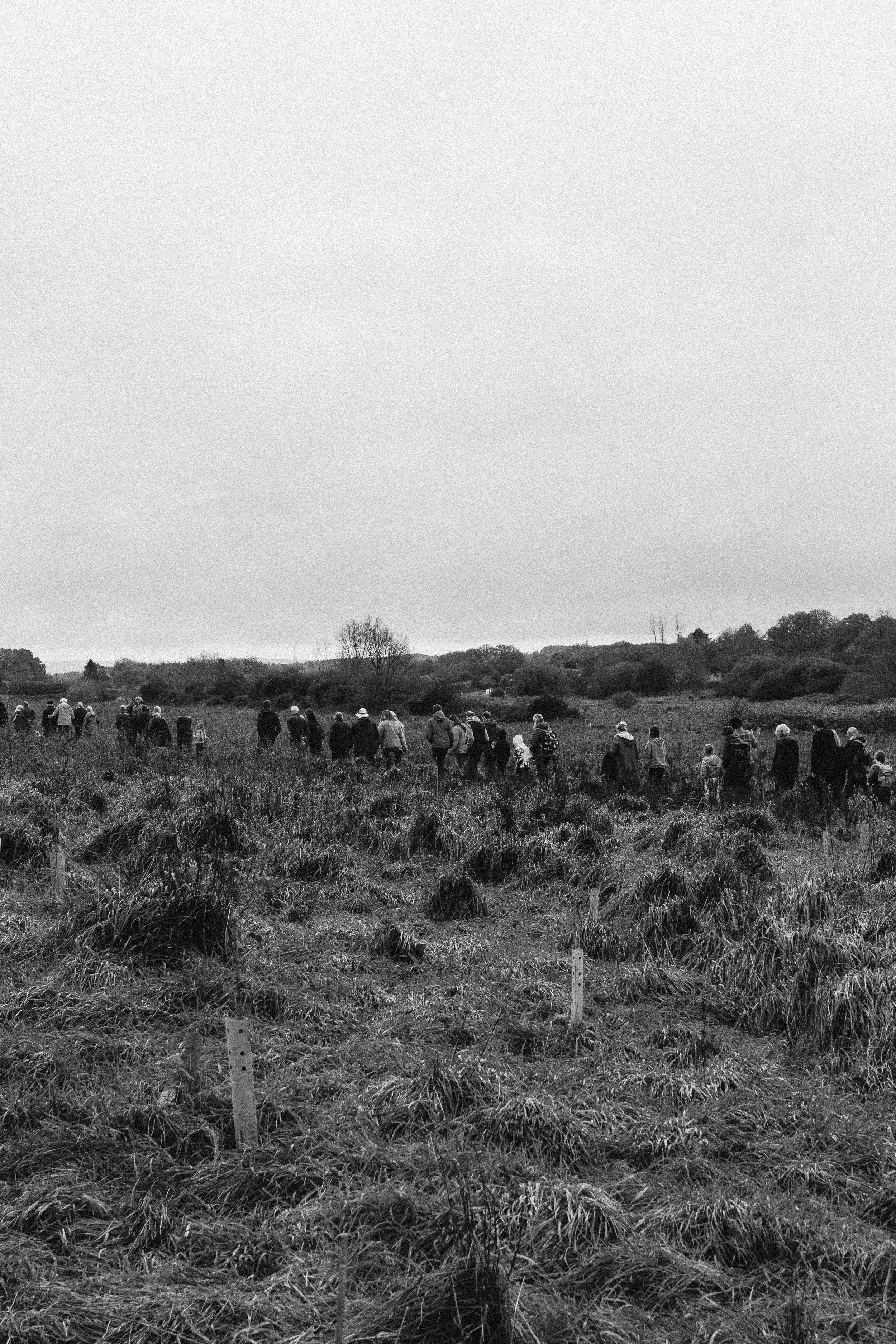
Welcoming the community at Wild Woodbury. A walk of the site with The Dorset Wildlife Trust - November 25'
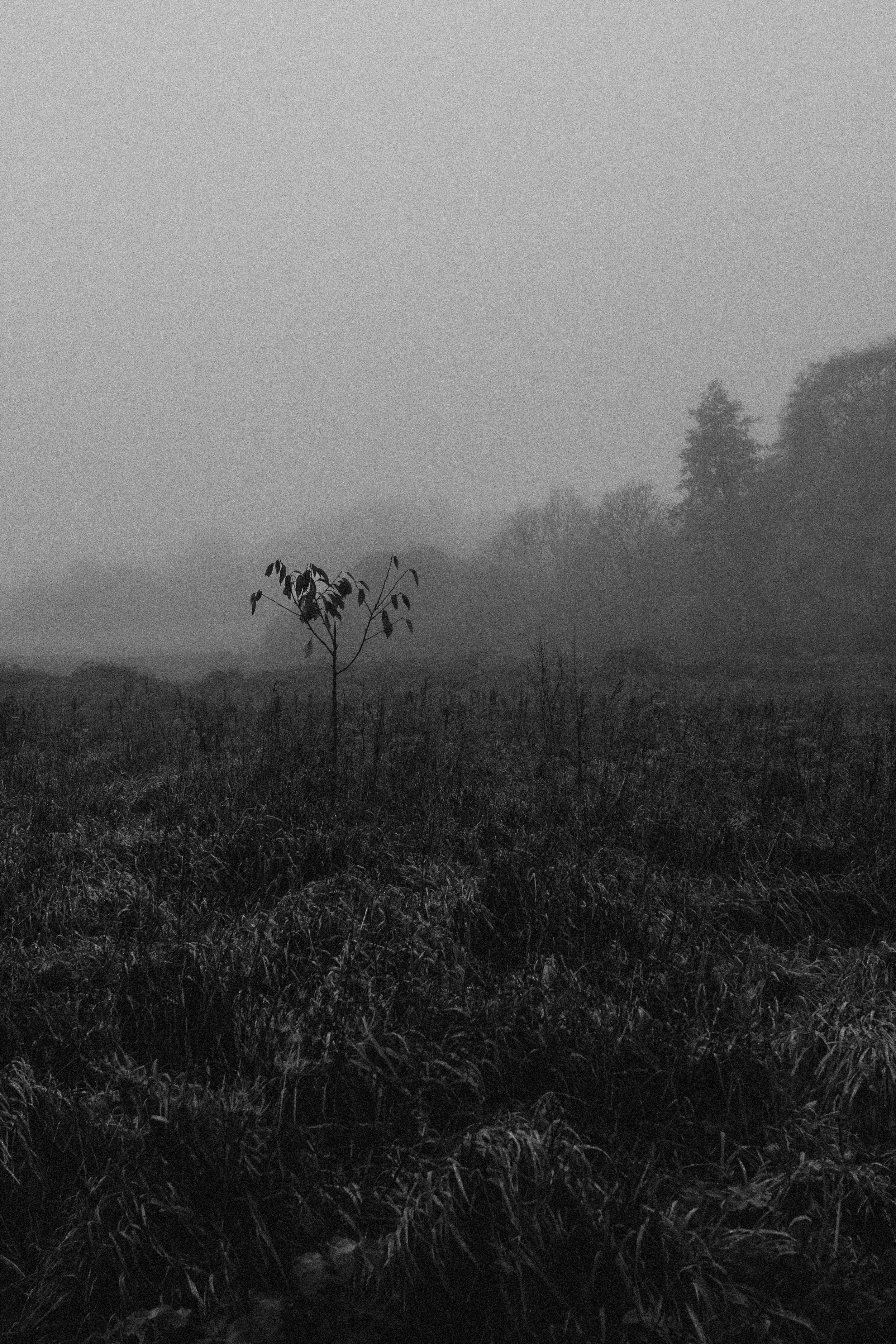
One lone Crab Apple Tree at Wild Woodbury - Winter 25'
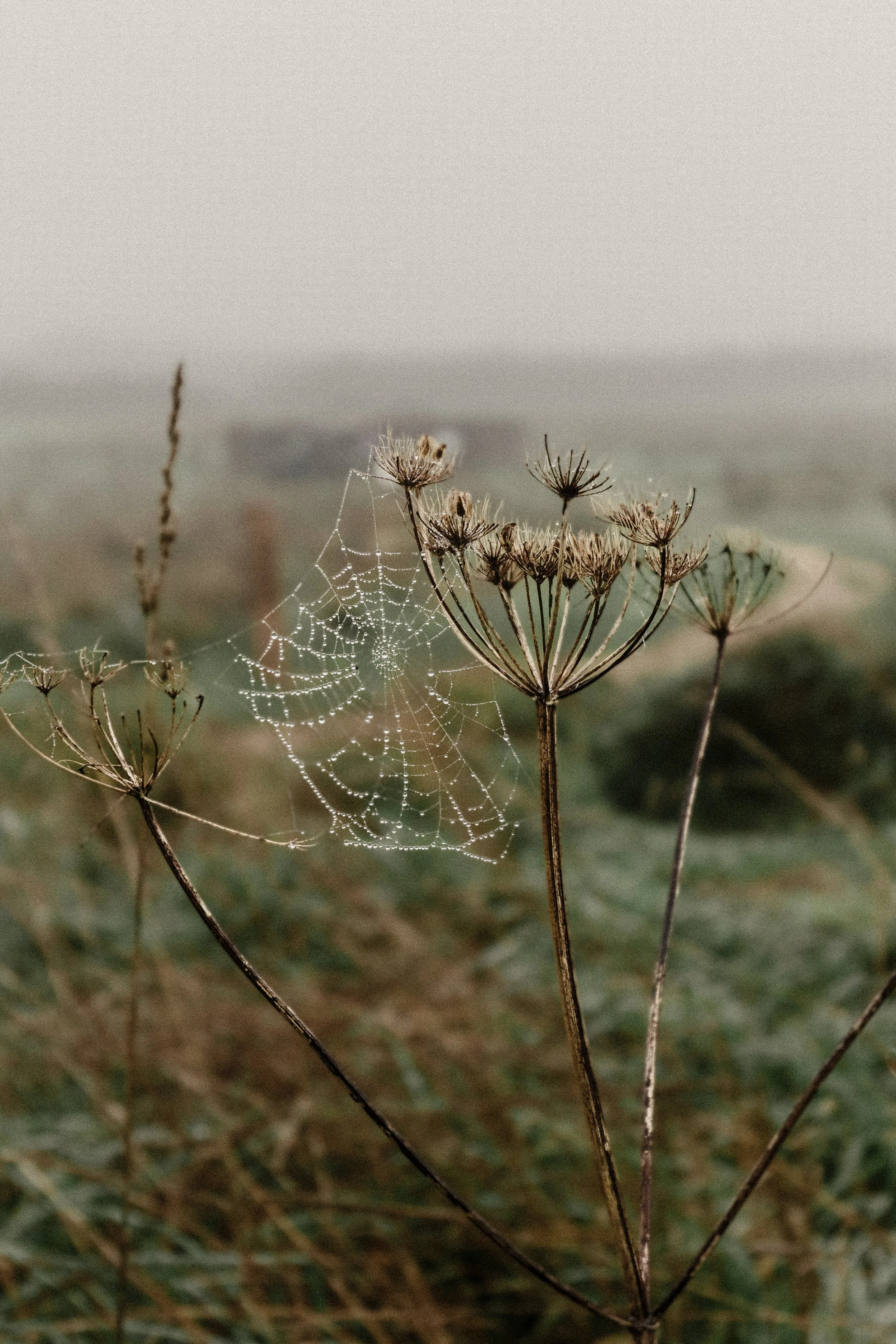
Orb Weaver spiders spinning webs at Wild Woodbury - Winter 25'
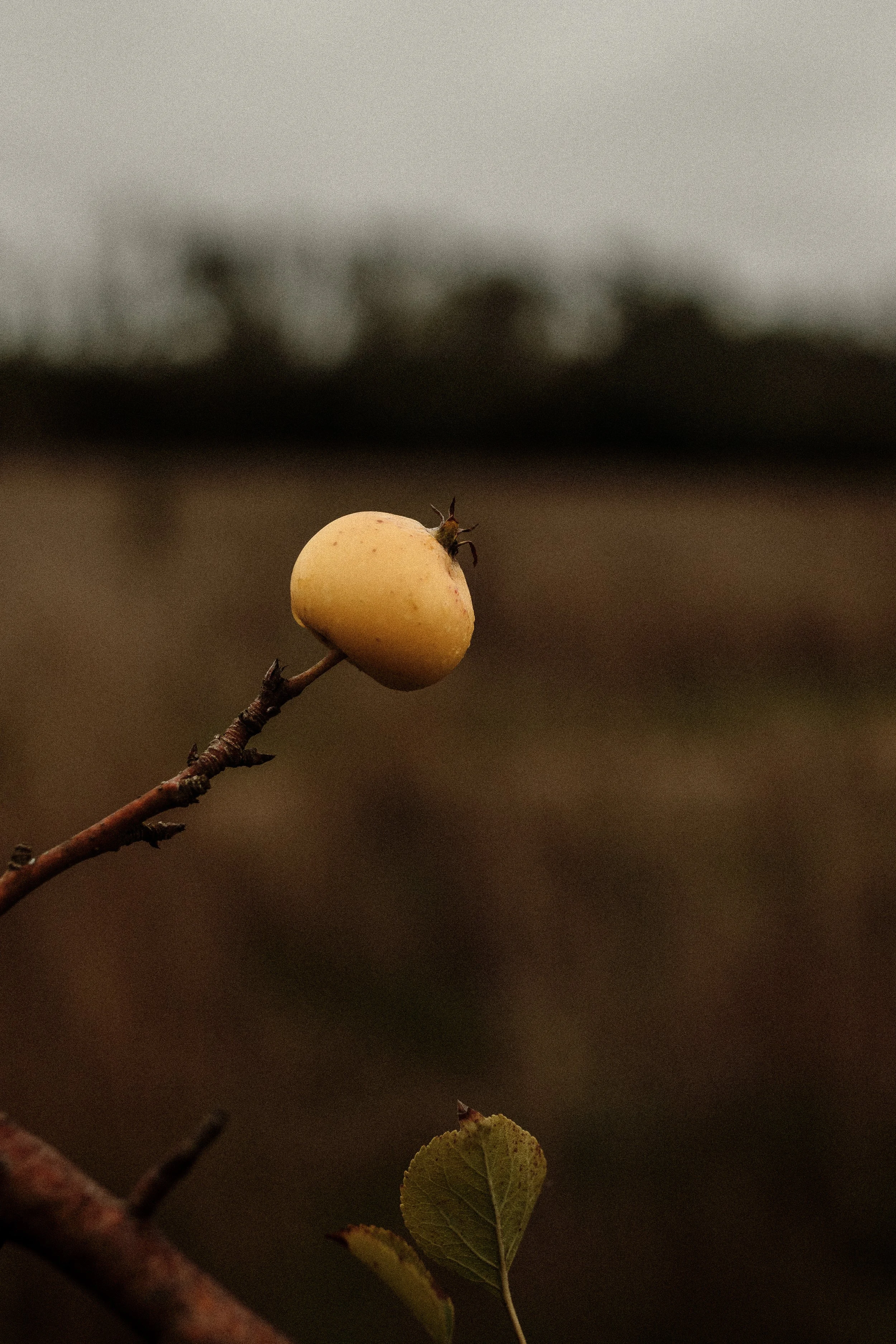
Hanging on (The last of the crab apples) at Wild Woodbury - Winter 25'
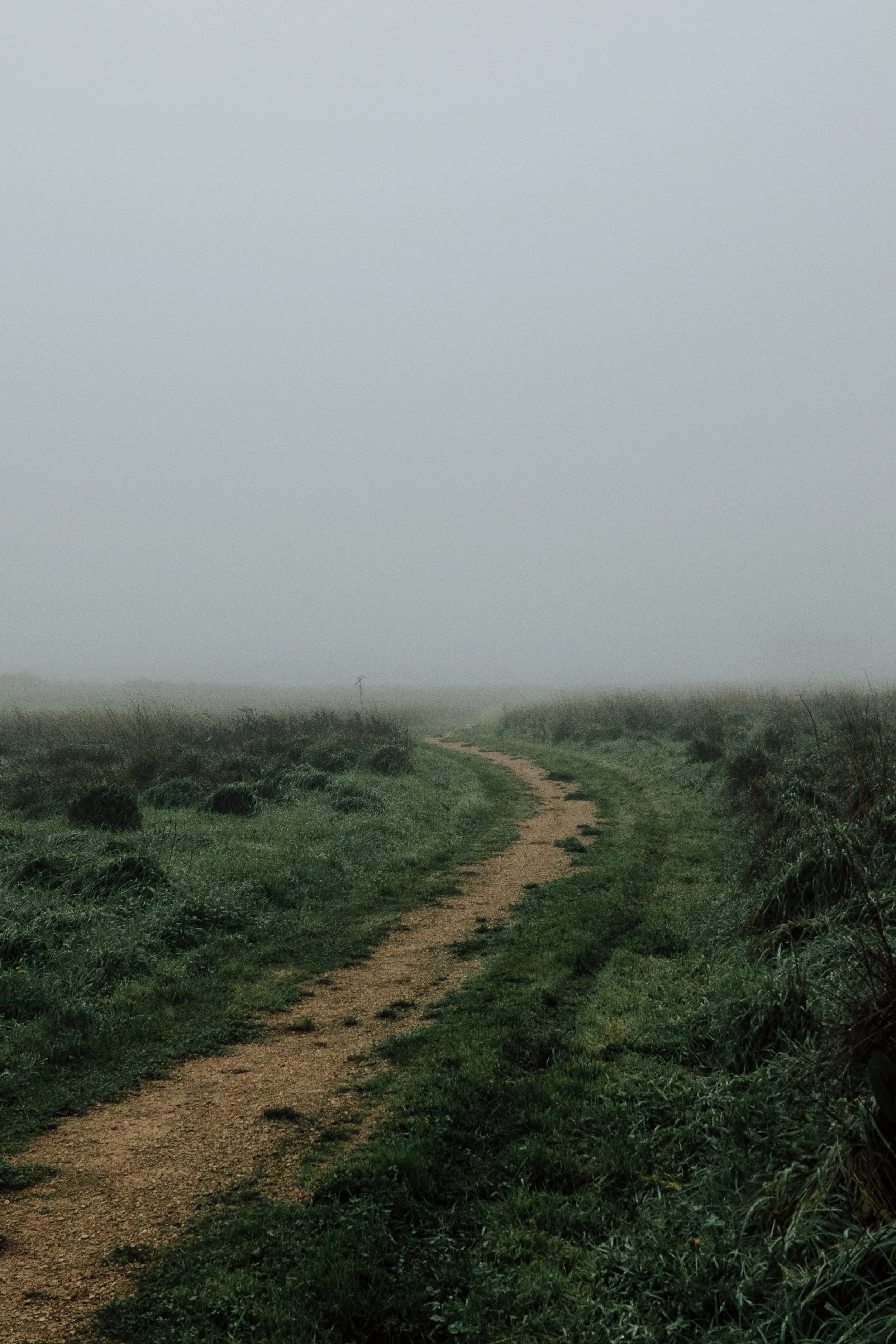
A dog-walking field created to give people and wildlife equal space, easing pressure on protected heathland species at Wild Woodbury – Nov ’25
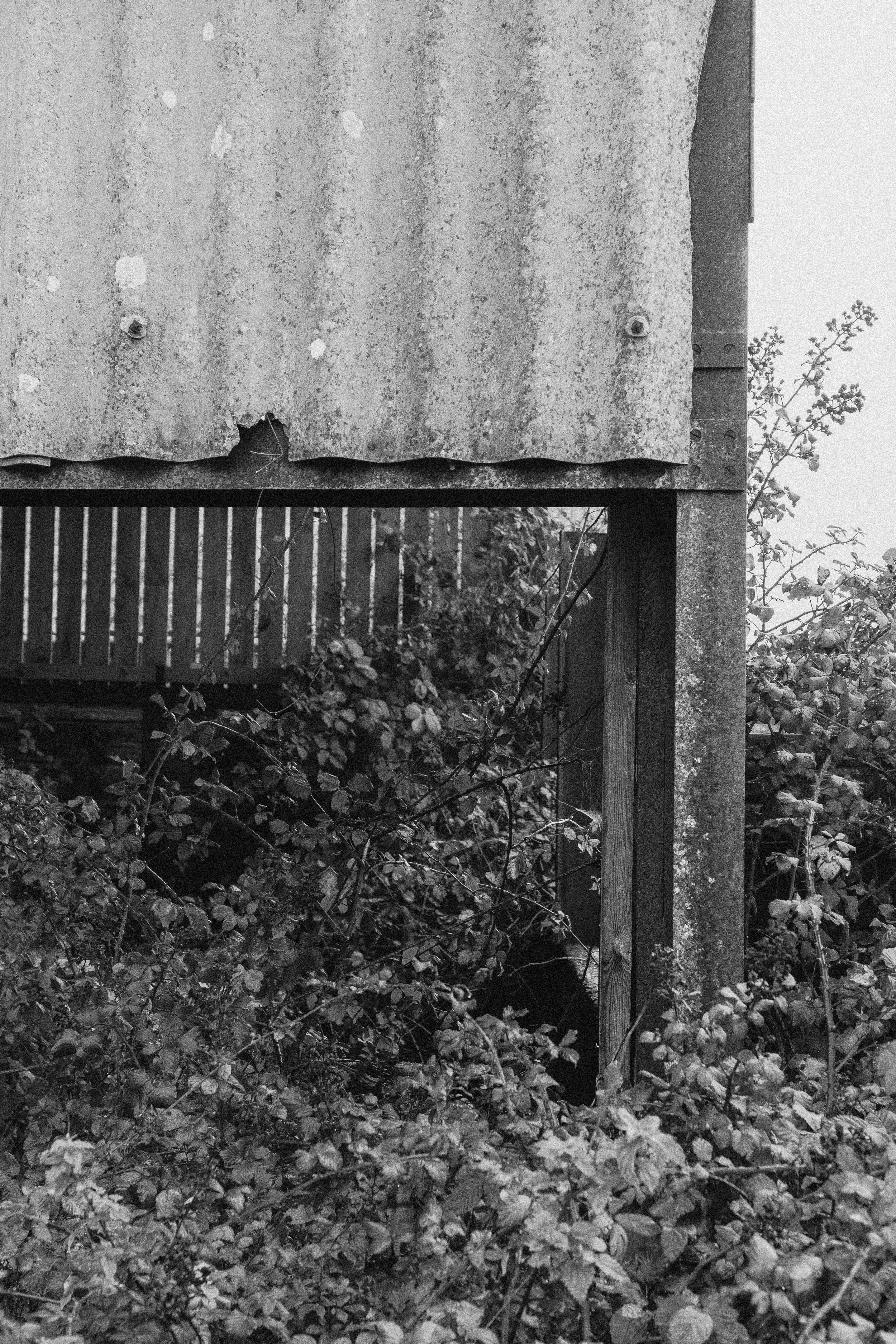
Taking over at Wild Woodbury - Winter 25'
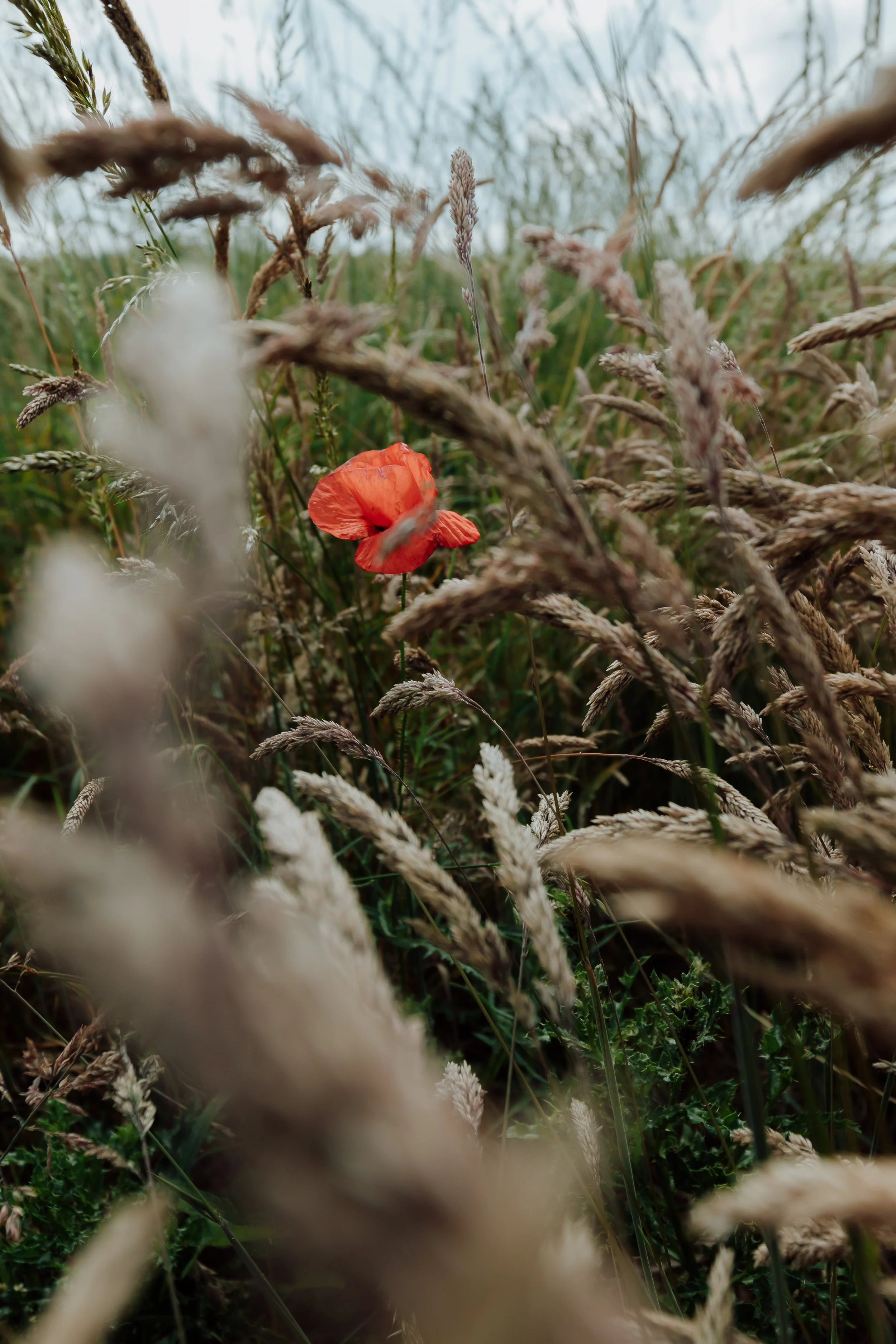
Wild poppy emerging through restored meadow habitat at Wild Woodbury – Late Summer ’25
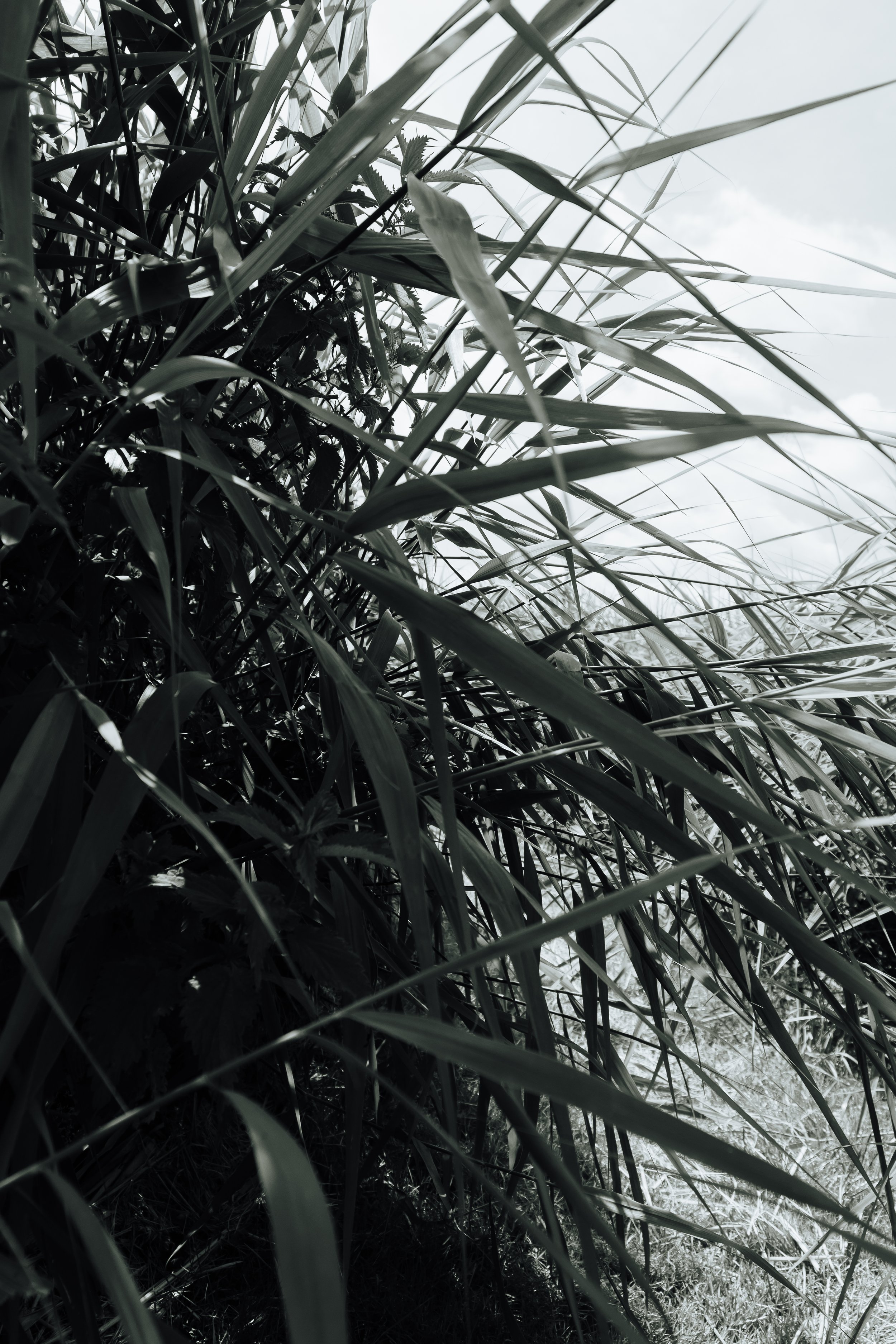
Tall grasses reclaiming ground at Wild Woodbury – Summer ’25
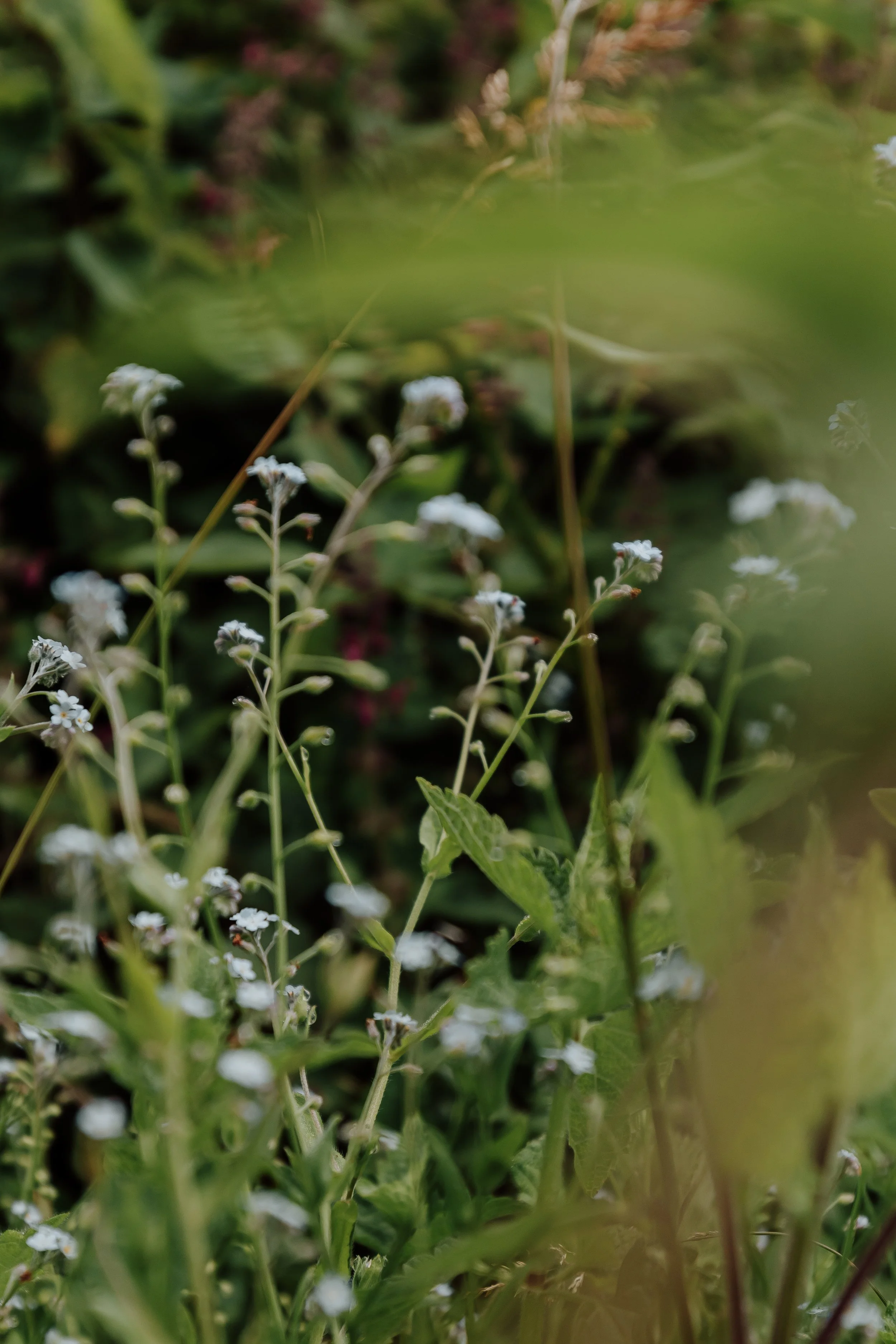
Wildflowers emerge through long grass as the land is left to recover on its own terms - Late Summer '25
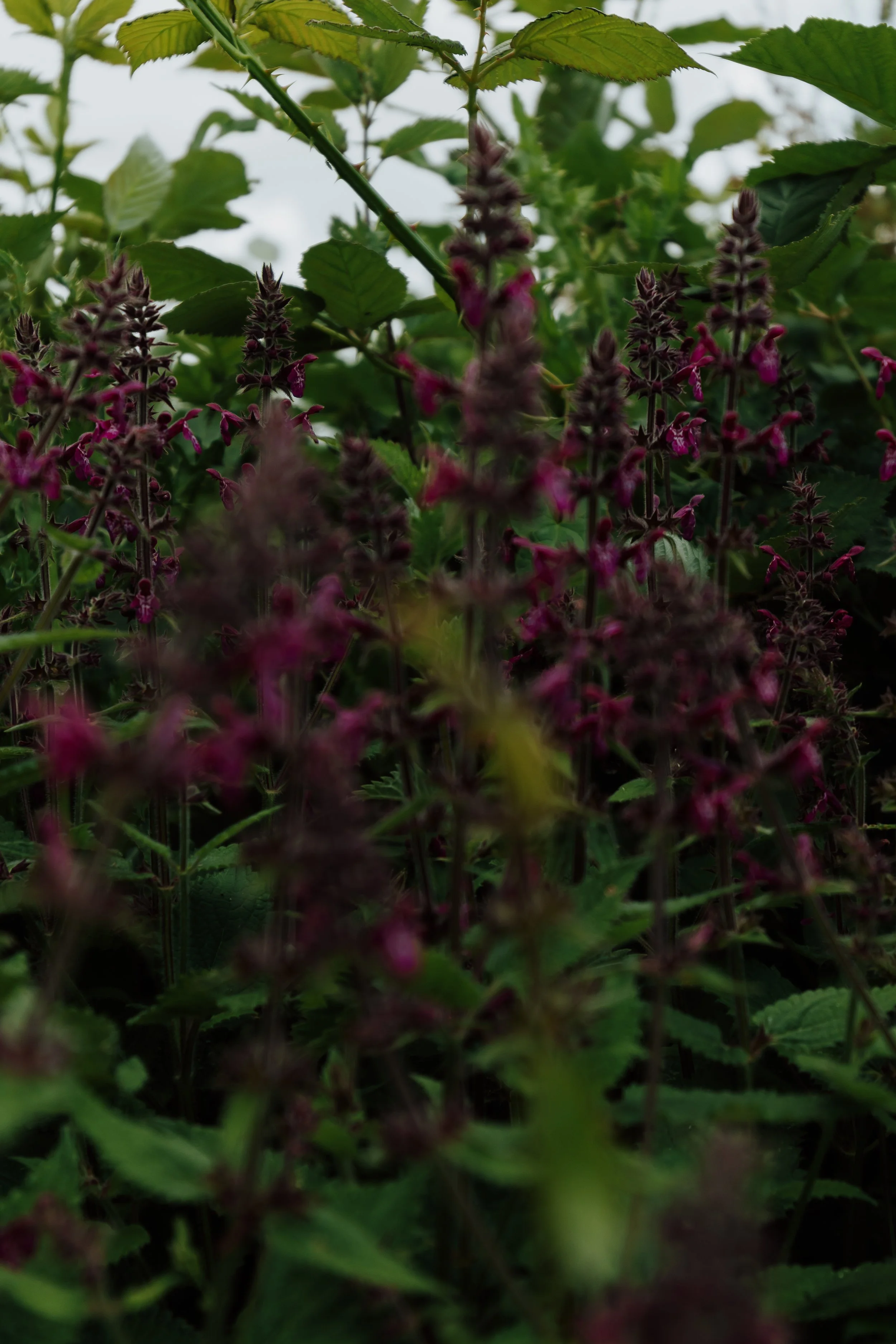
Regenerating vegetation along the wetland edge at Wild Woodbury – Late Summer ’25
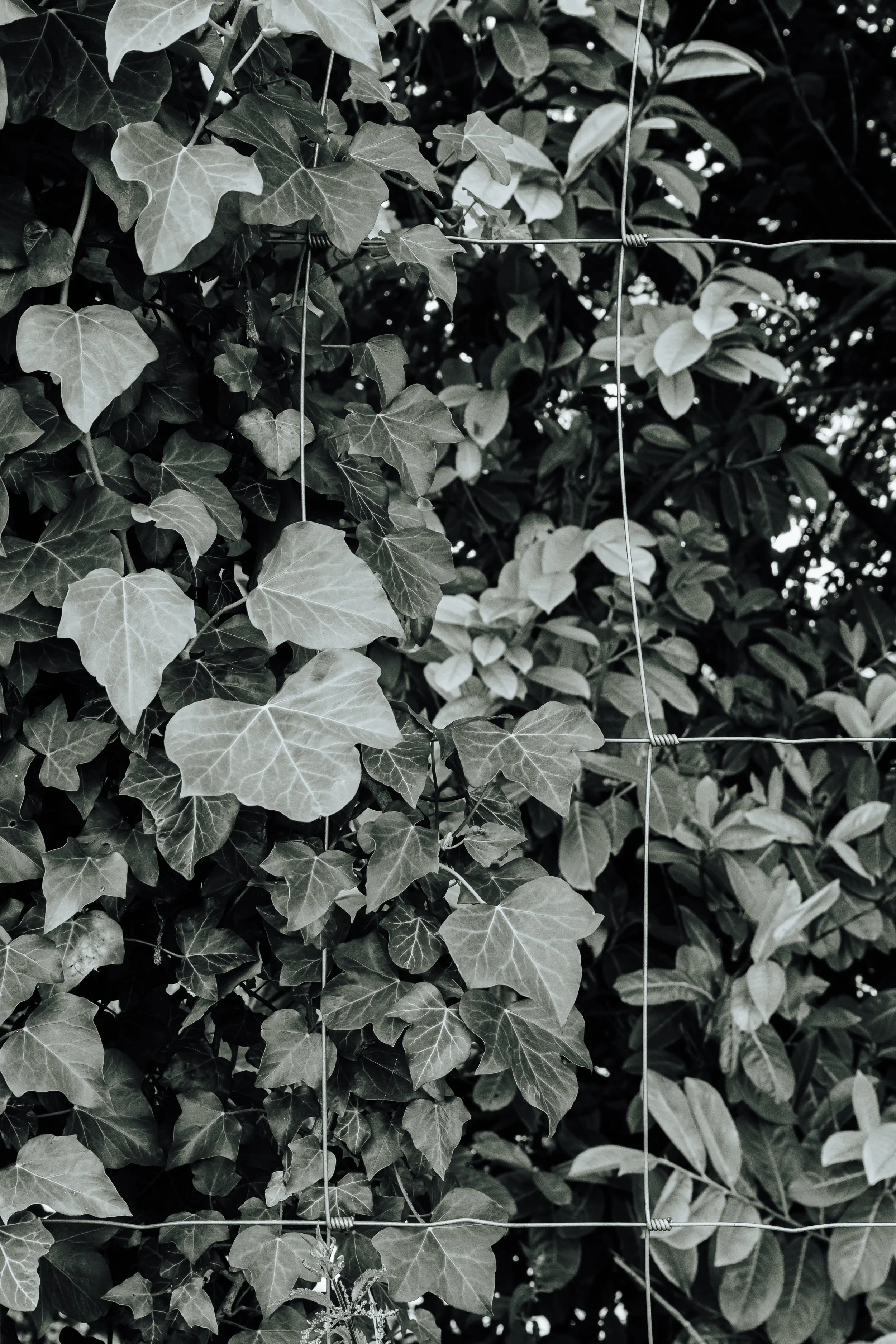
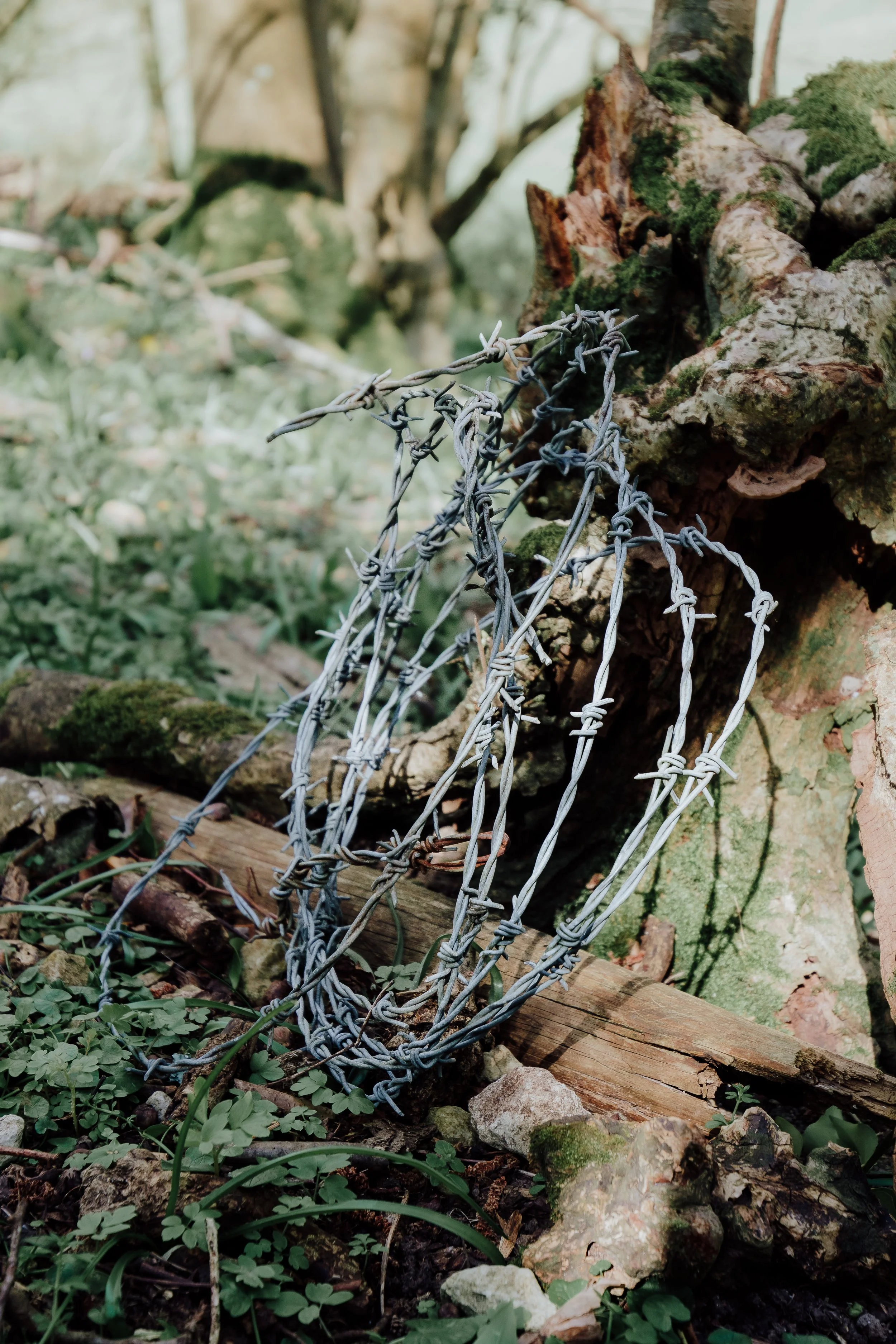
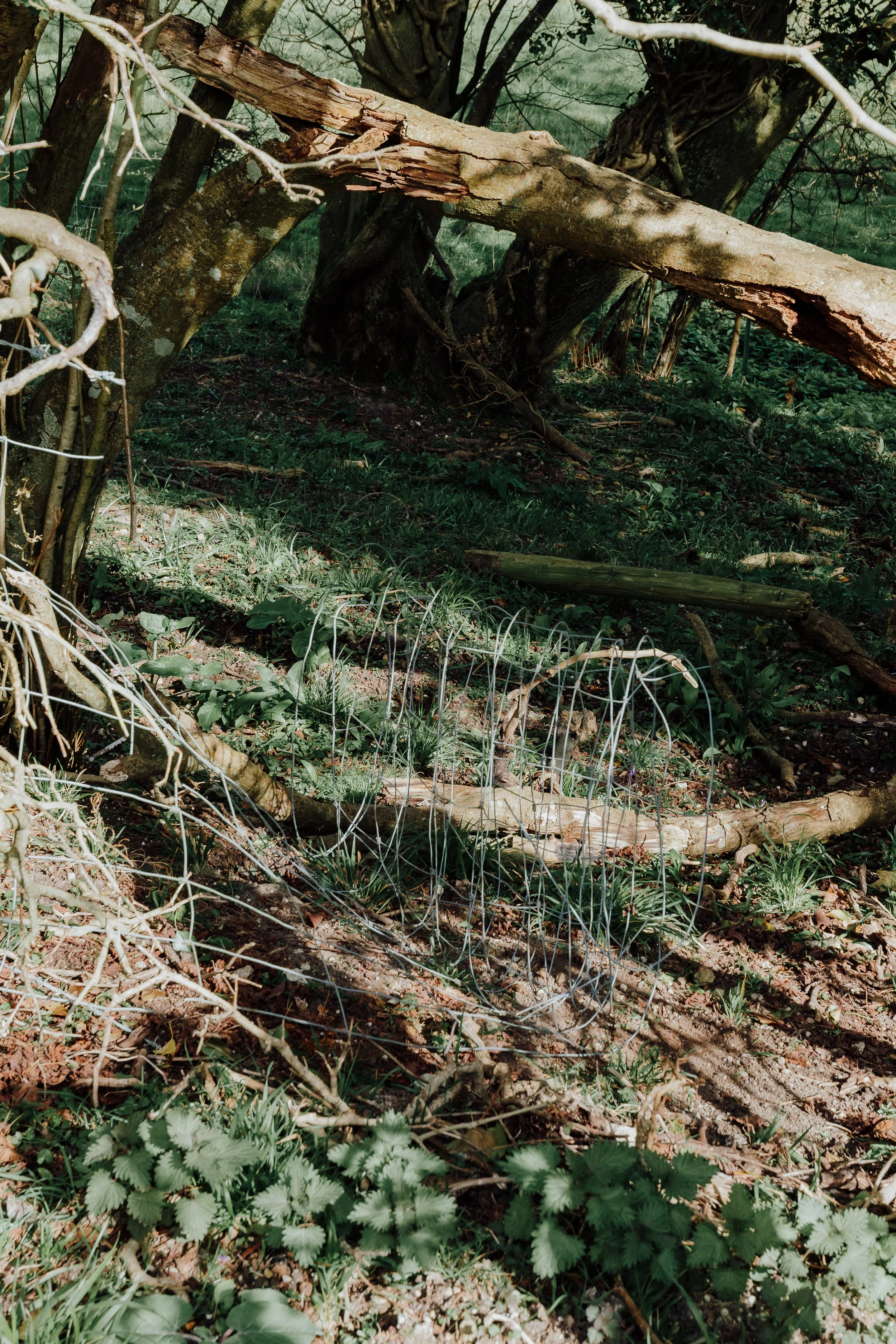
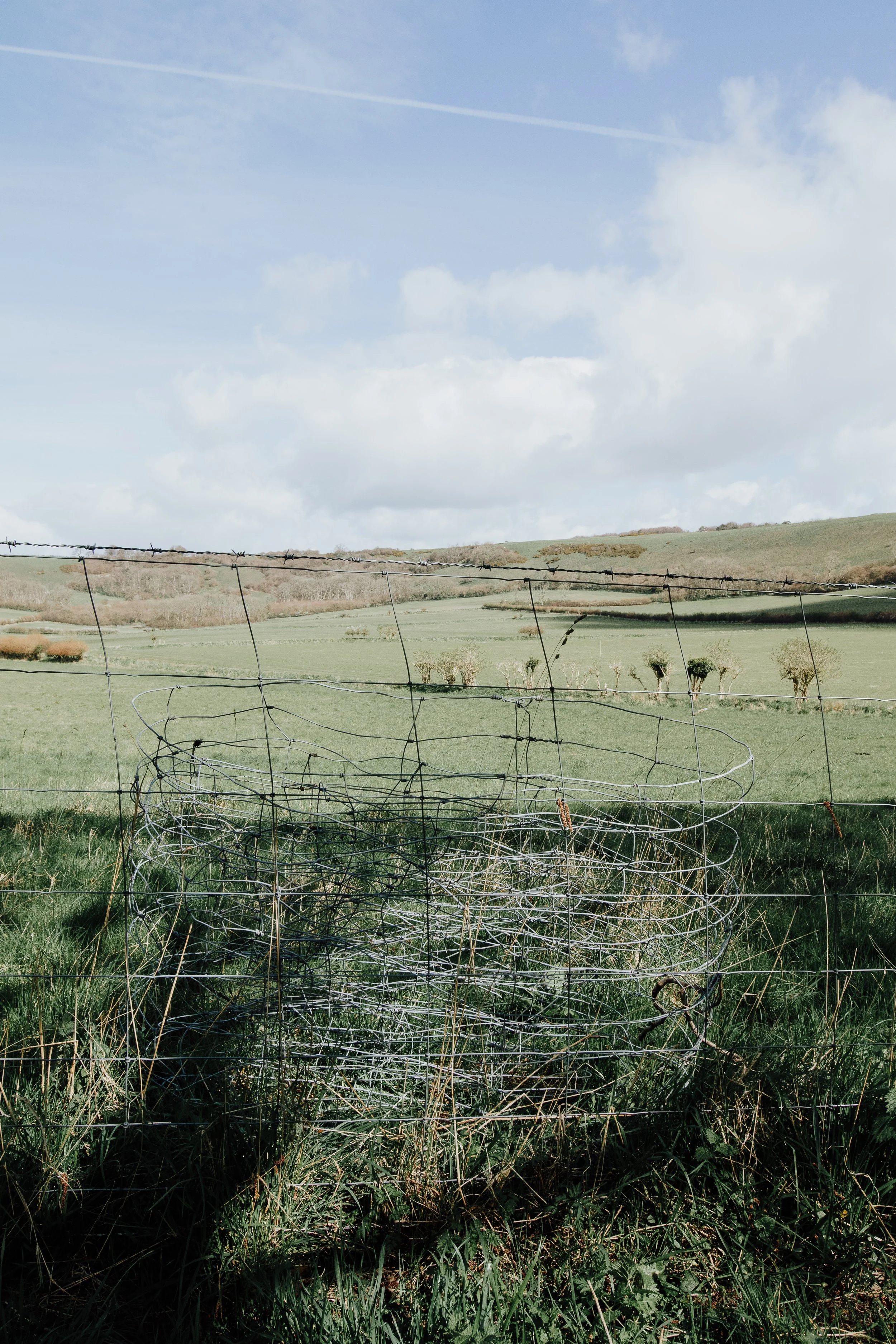
A mass of Ivy growing through wire fencing at Wild Woodbury - Late Summer '25
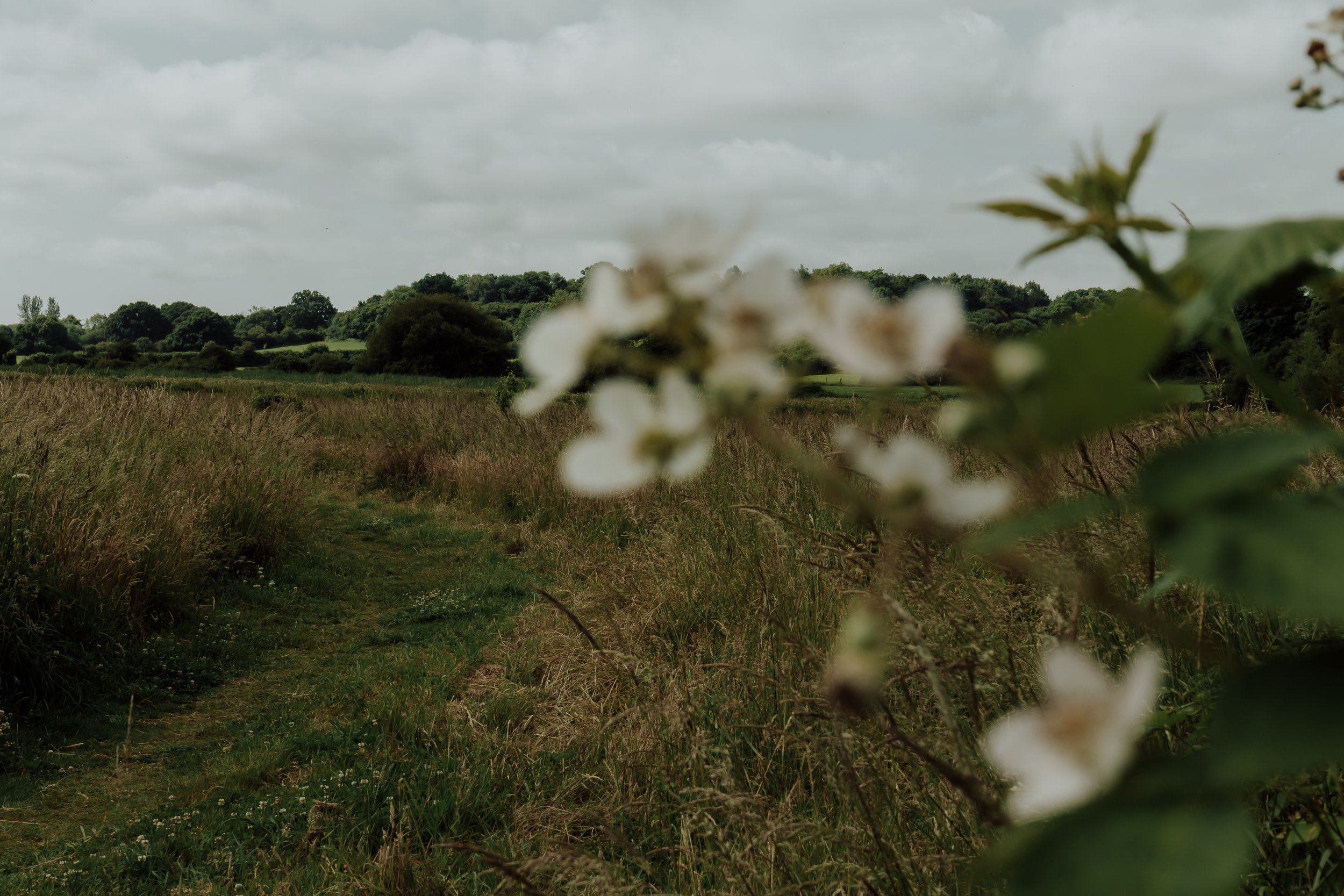
The SANG at Wild Woodbury, a space for the public and nature to come together - Late Summer '25
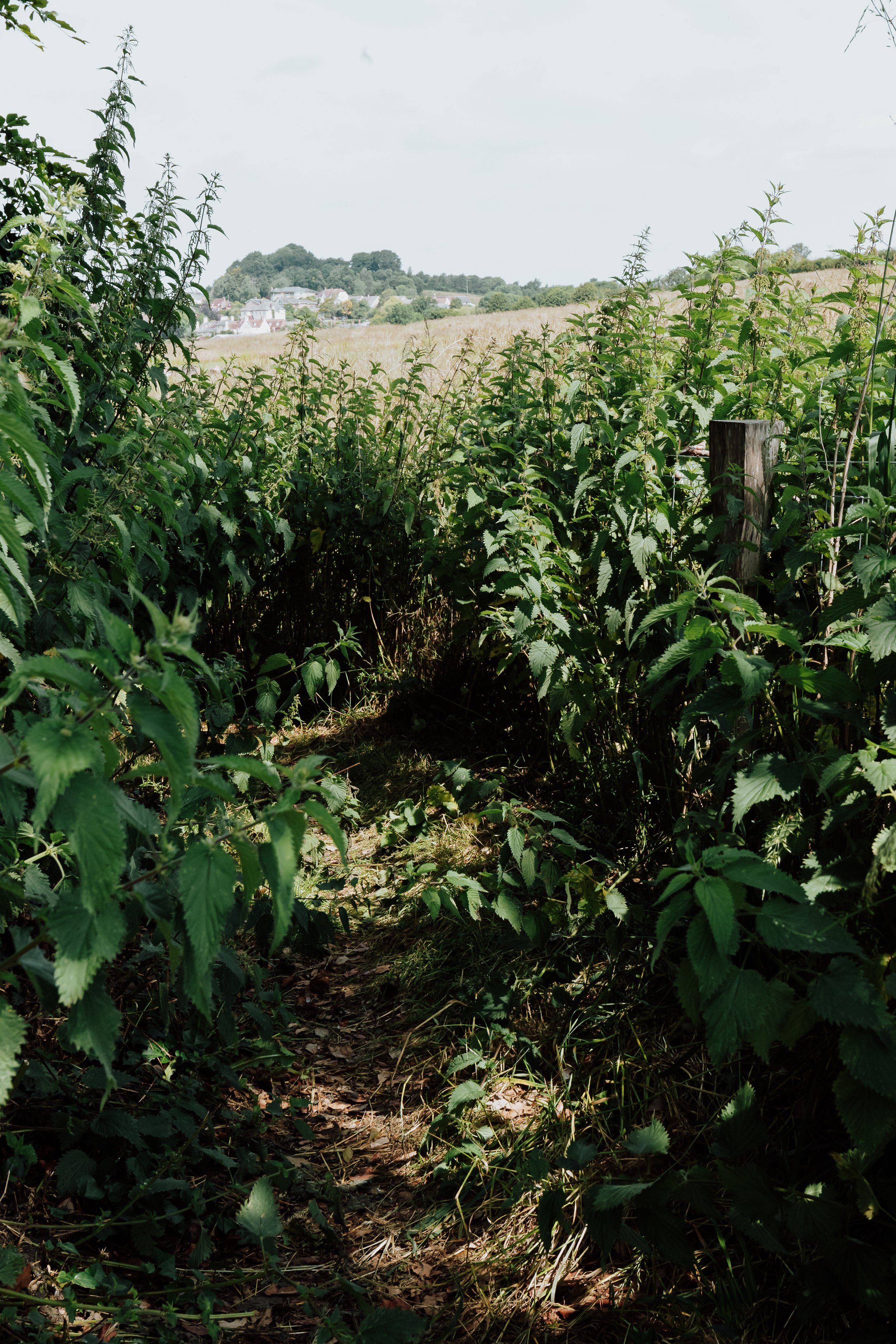
Hidden pathways and overgrown nettles at Wild Woodbury - Late Summer '25
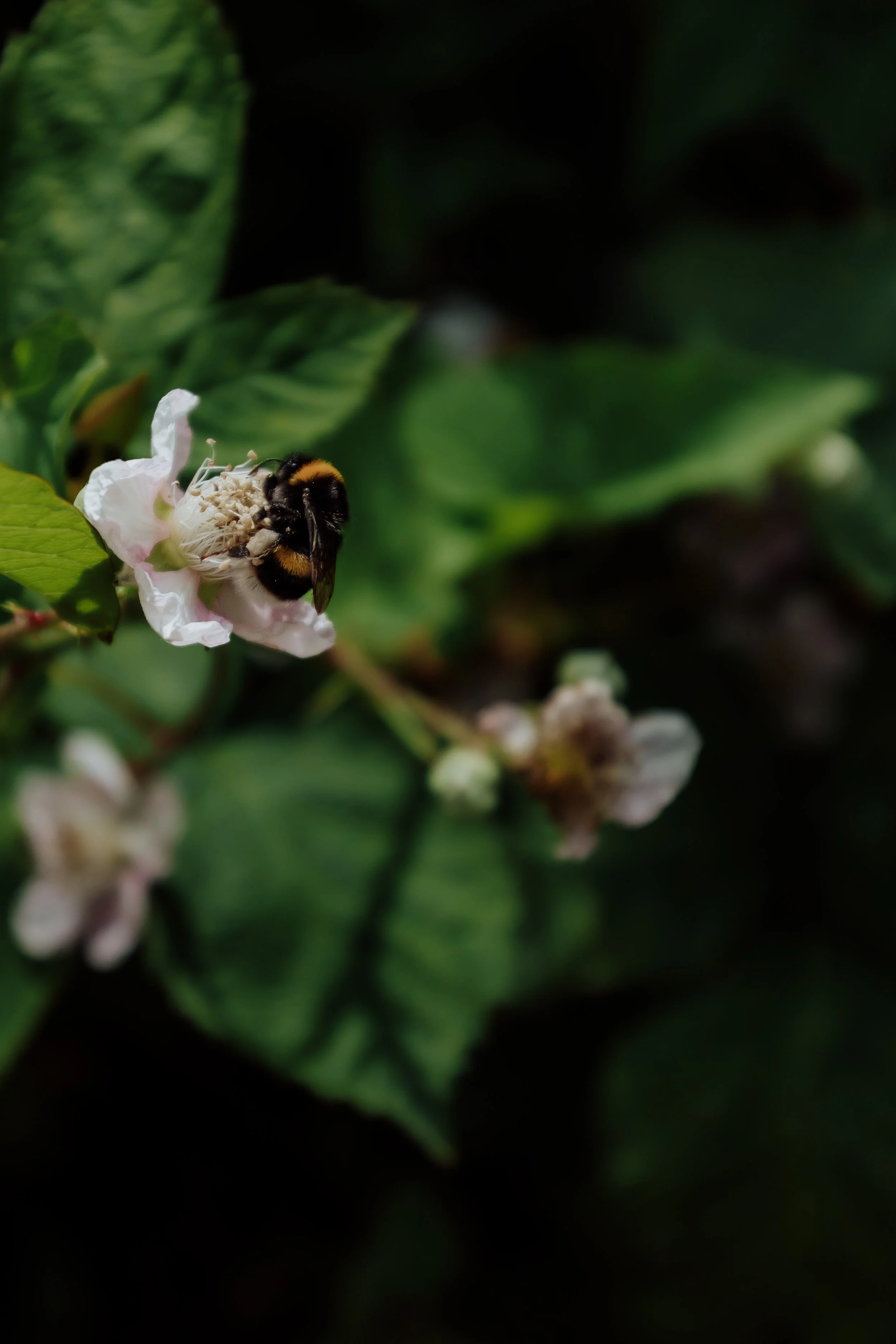
A pollinator at work - Late Summer '25
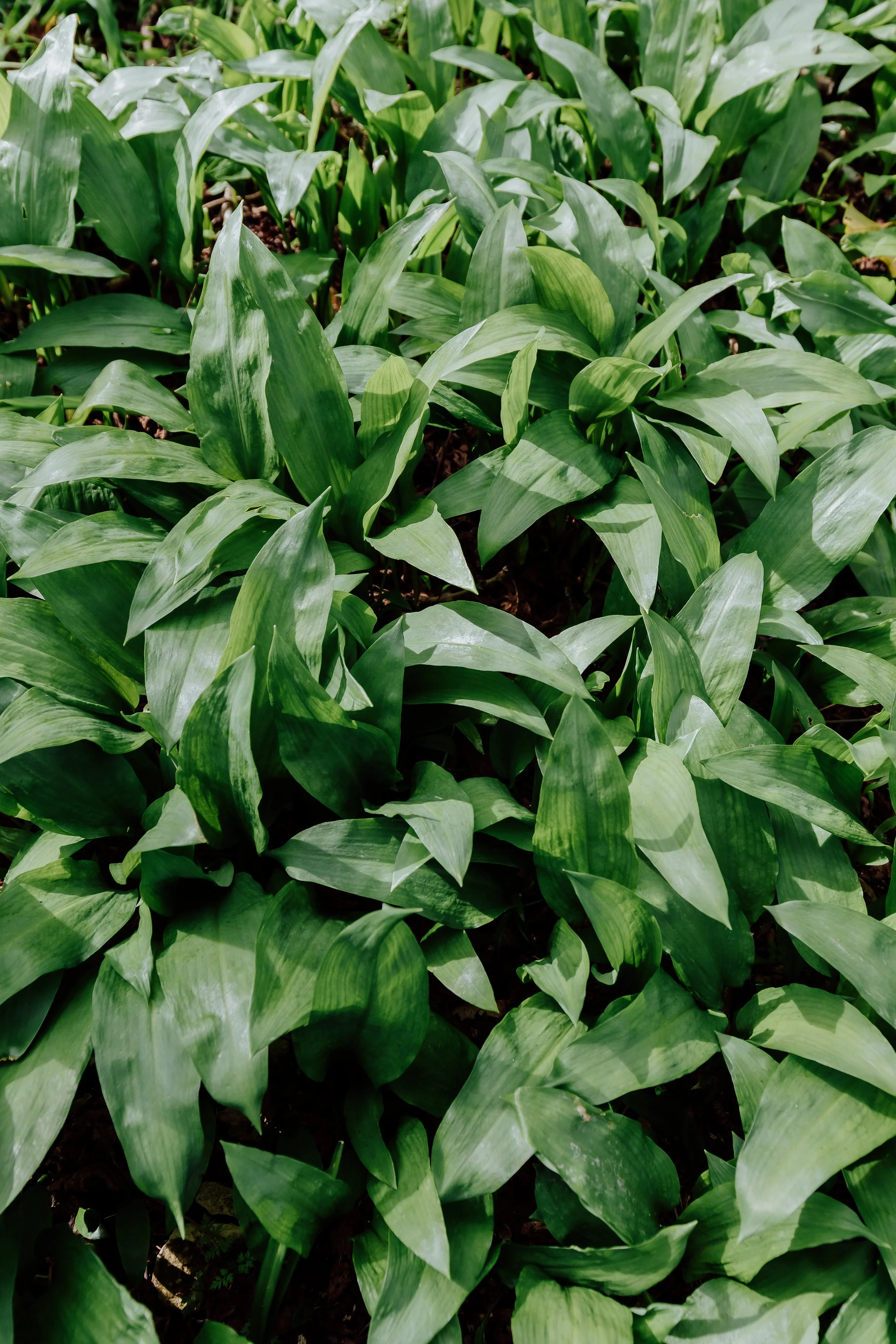
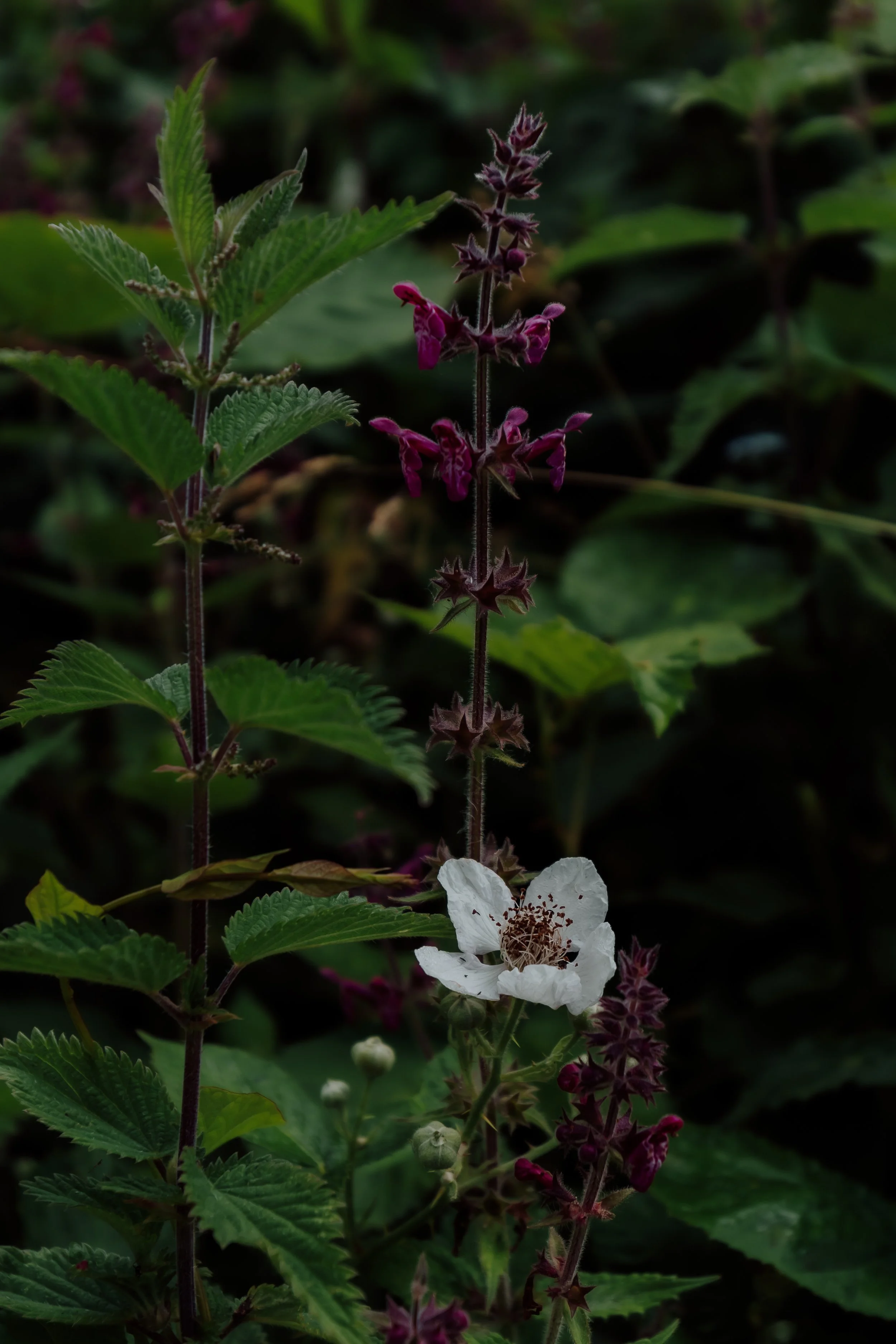
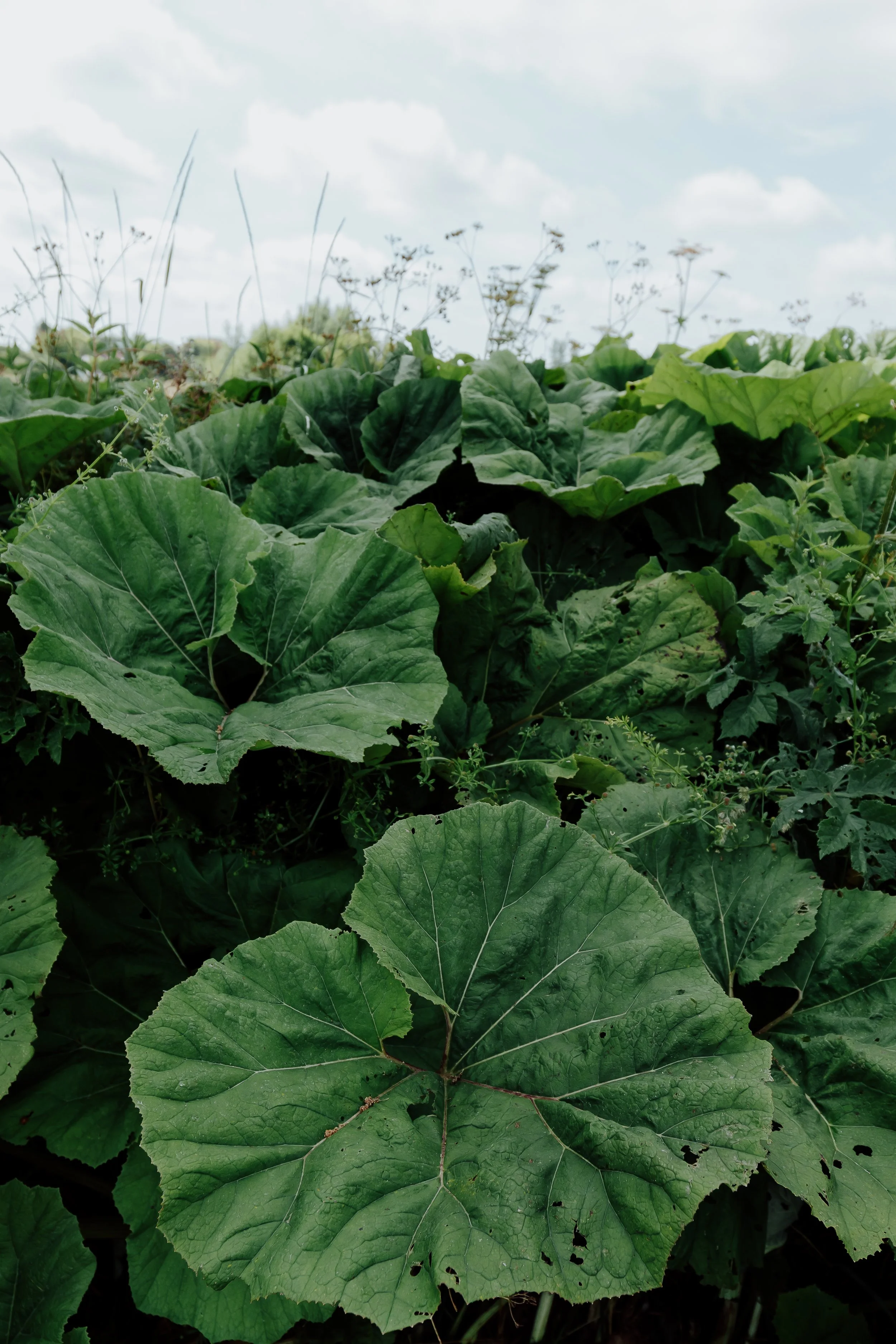
Fresh growth bears the marks of insect life and changing conditions - Late Summer '25
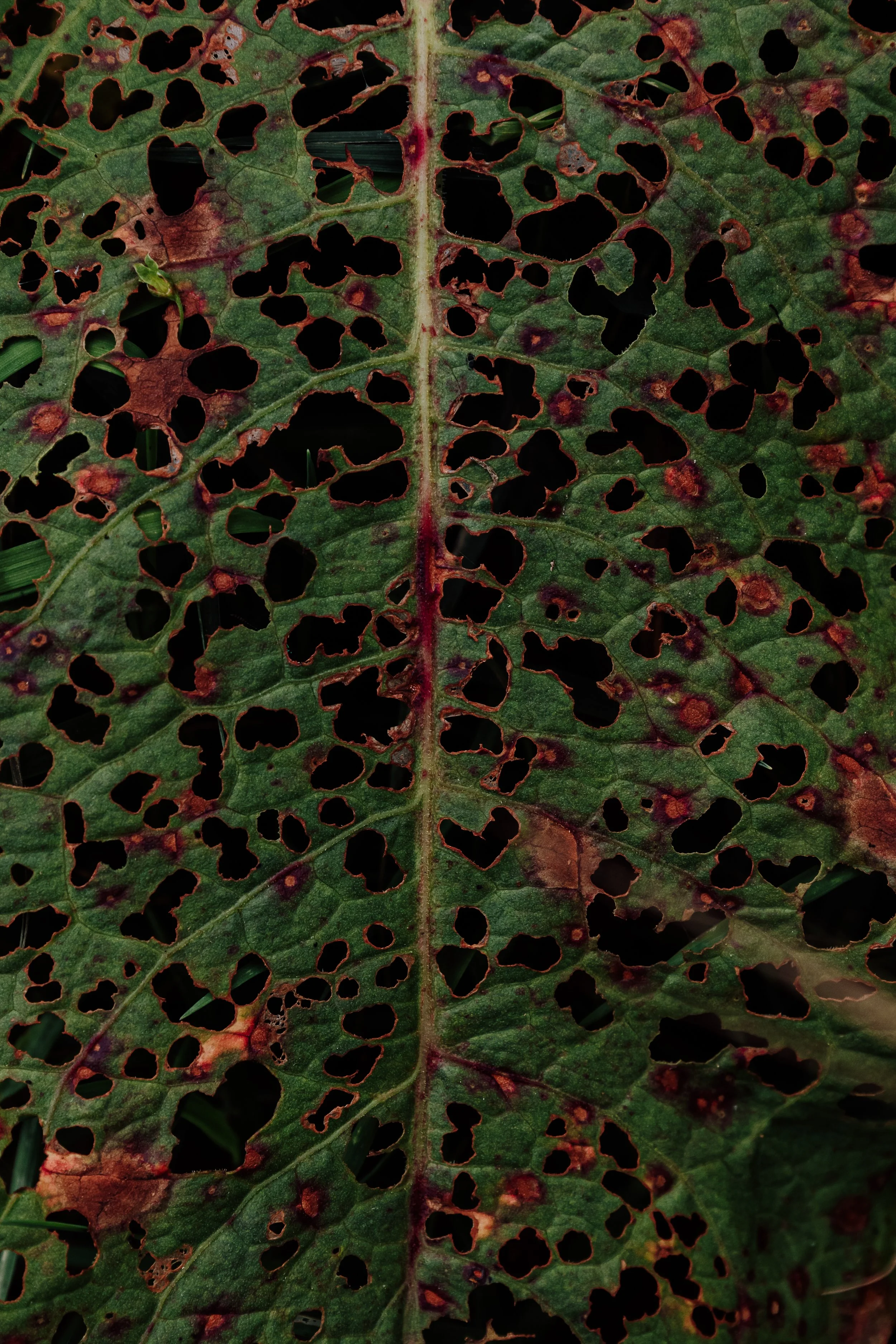
A leaf scarred by feeding and weather, evidence of an active ecosystem - Late Summer '25

Developing seed heads signal the continuation of natural cycles - Late summer '25
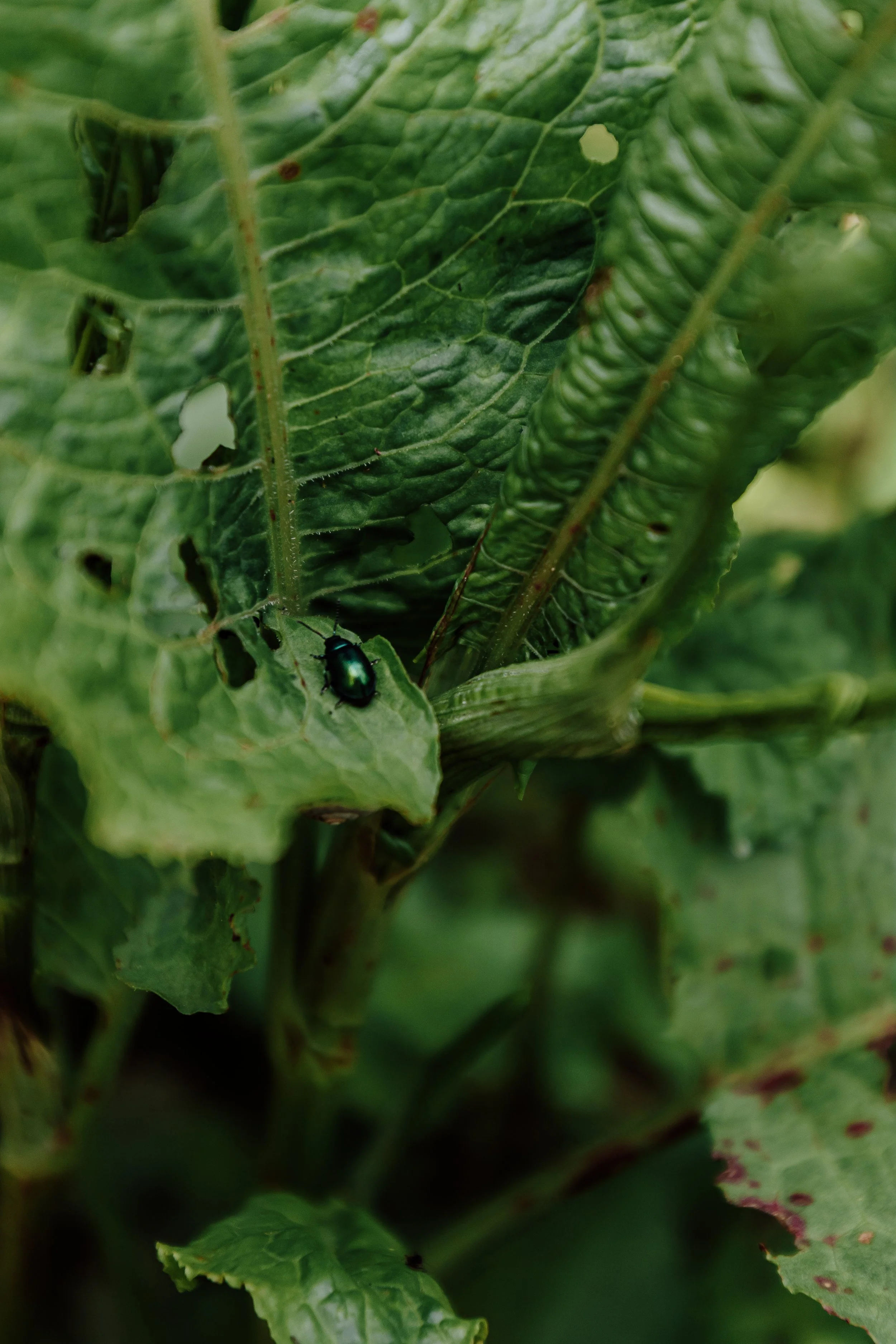
Regrowth unfolds without intervention, allowing species to coexist and compete - Late Summer '25
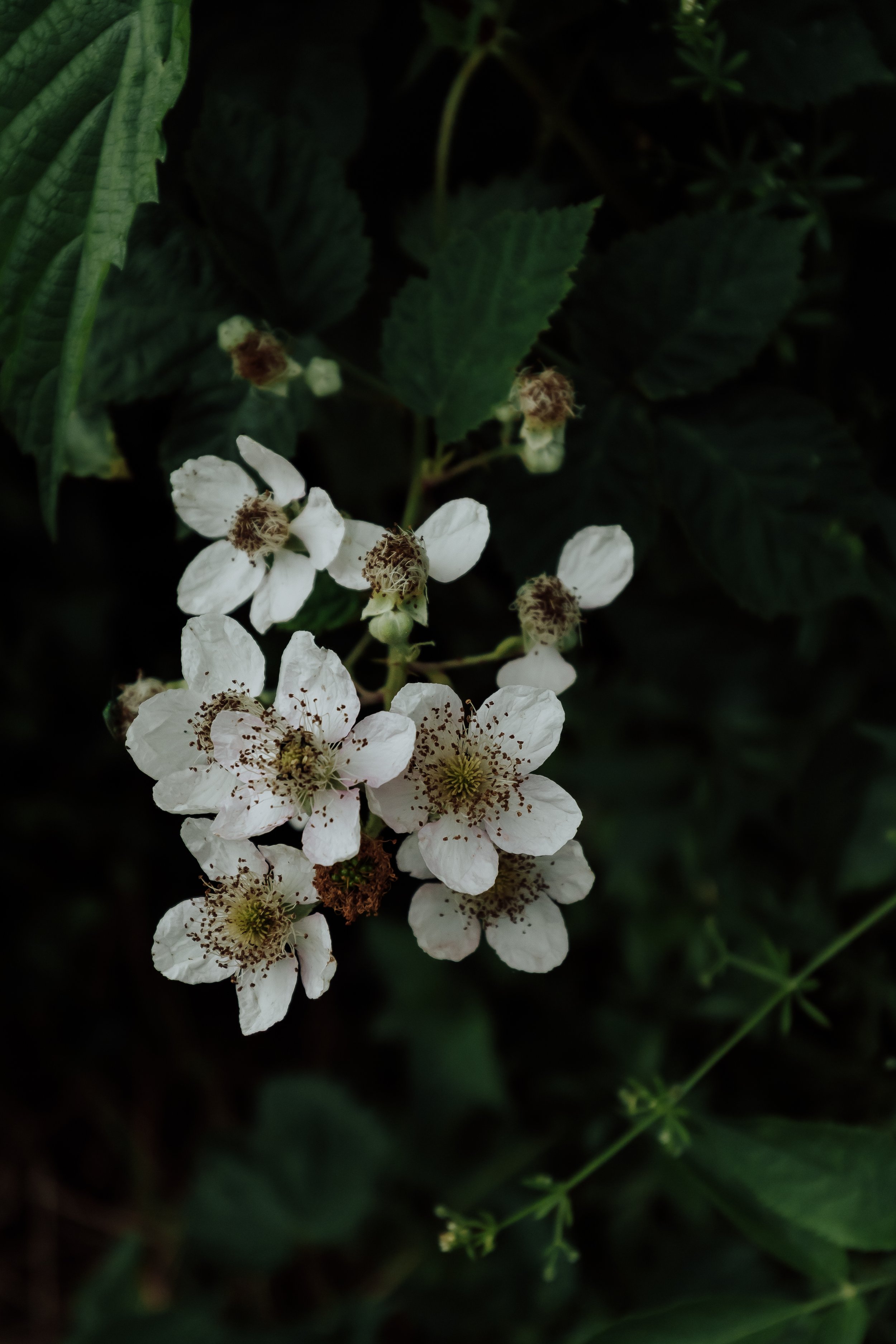
Blackberry blossom supports insects before fruit forms later in the season - Late Summer '25

A path shaped by repeated passage, revealing how humans move through recovering landscapes - Late Summer '25
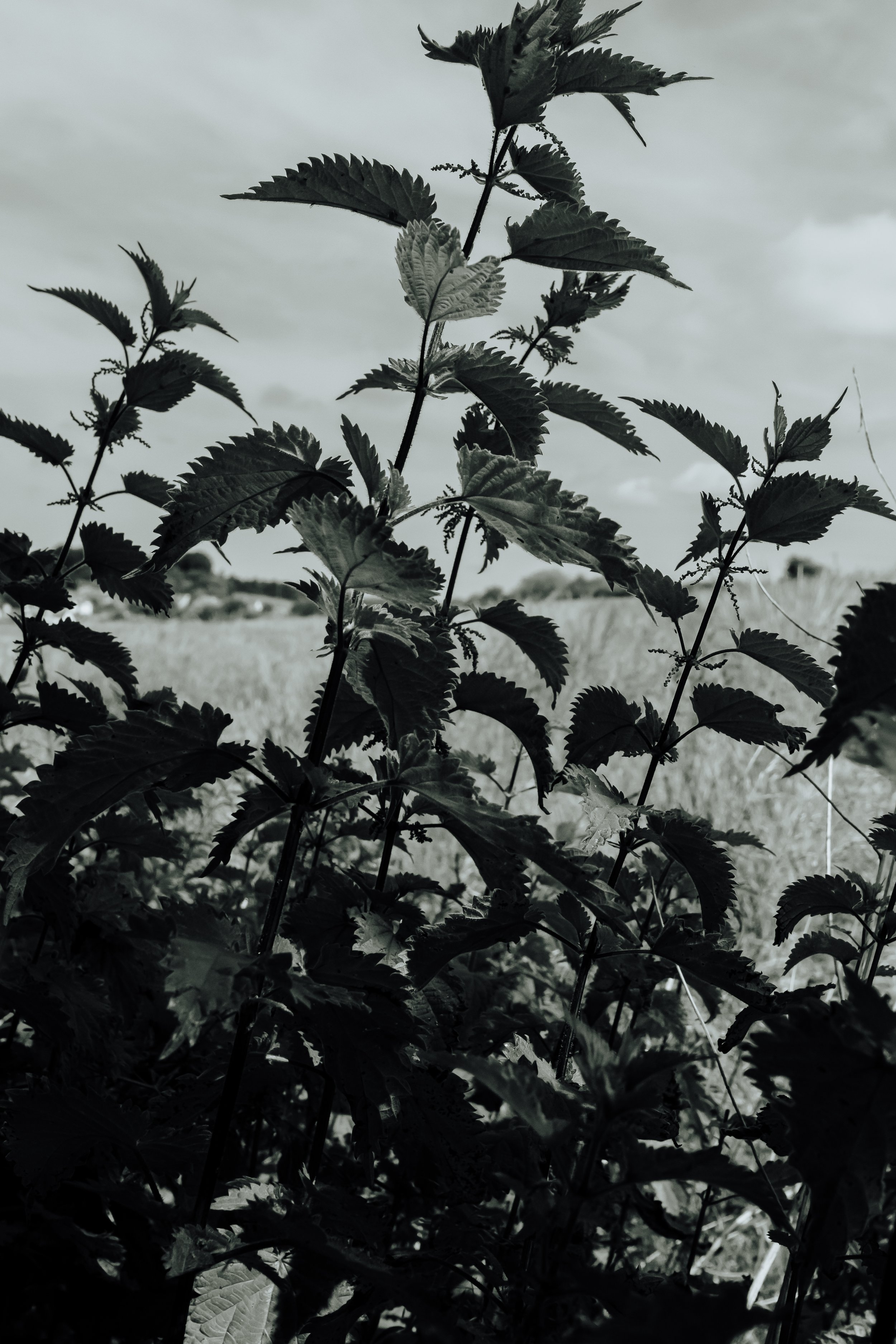
Nettles stand at the edge of open land, vital to biodiversity - Late Summer '25
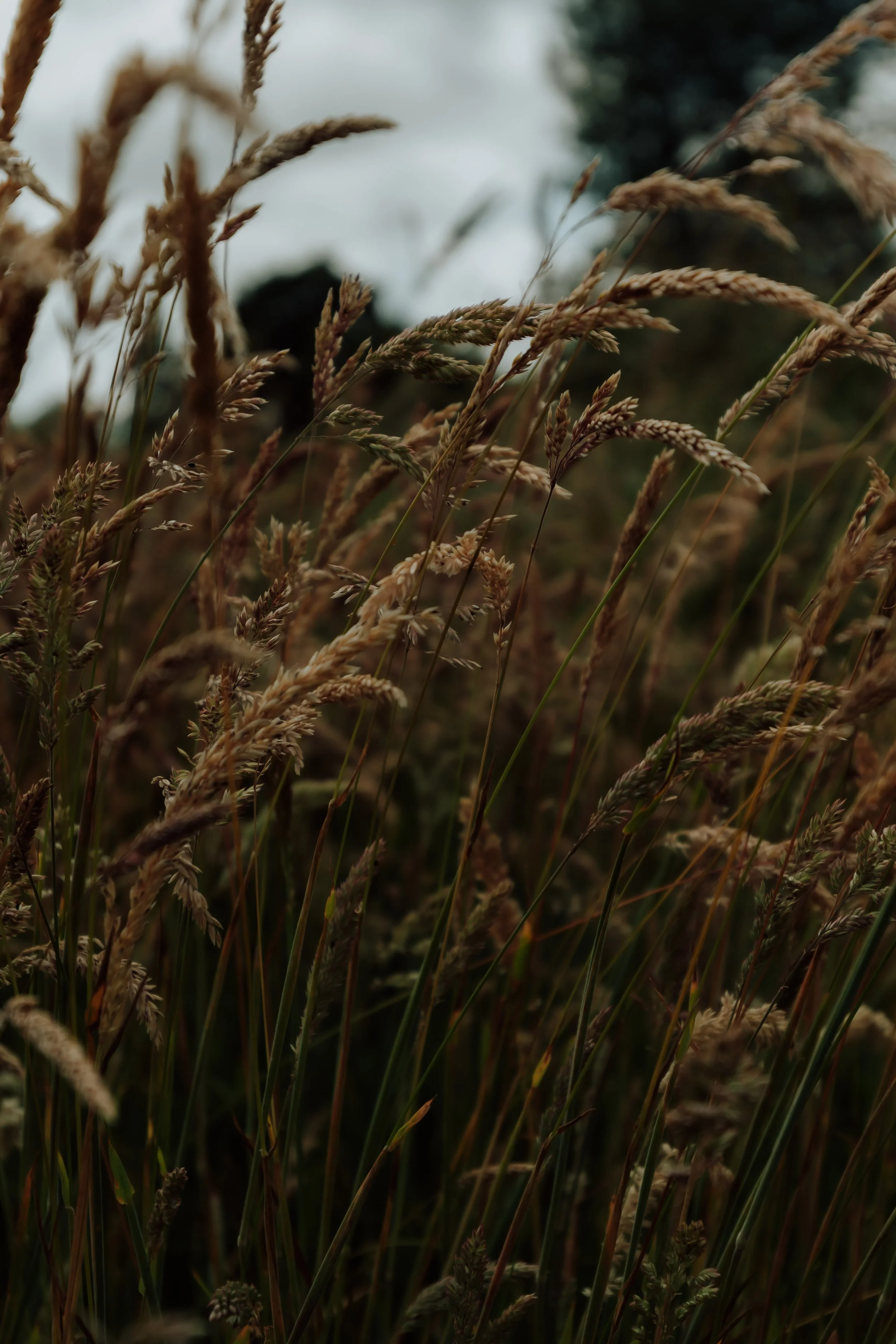
Tall grasses gather light and seed, hinting at the return of meadow habitats - Late Summer '25

Grass bends underfoot, marking temporary routes across the site - Late Summer '25
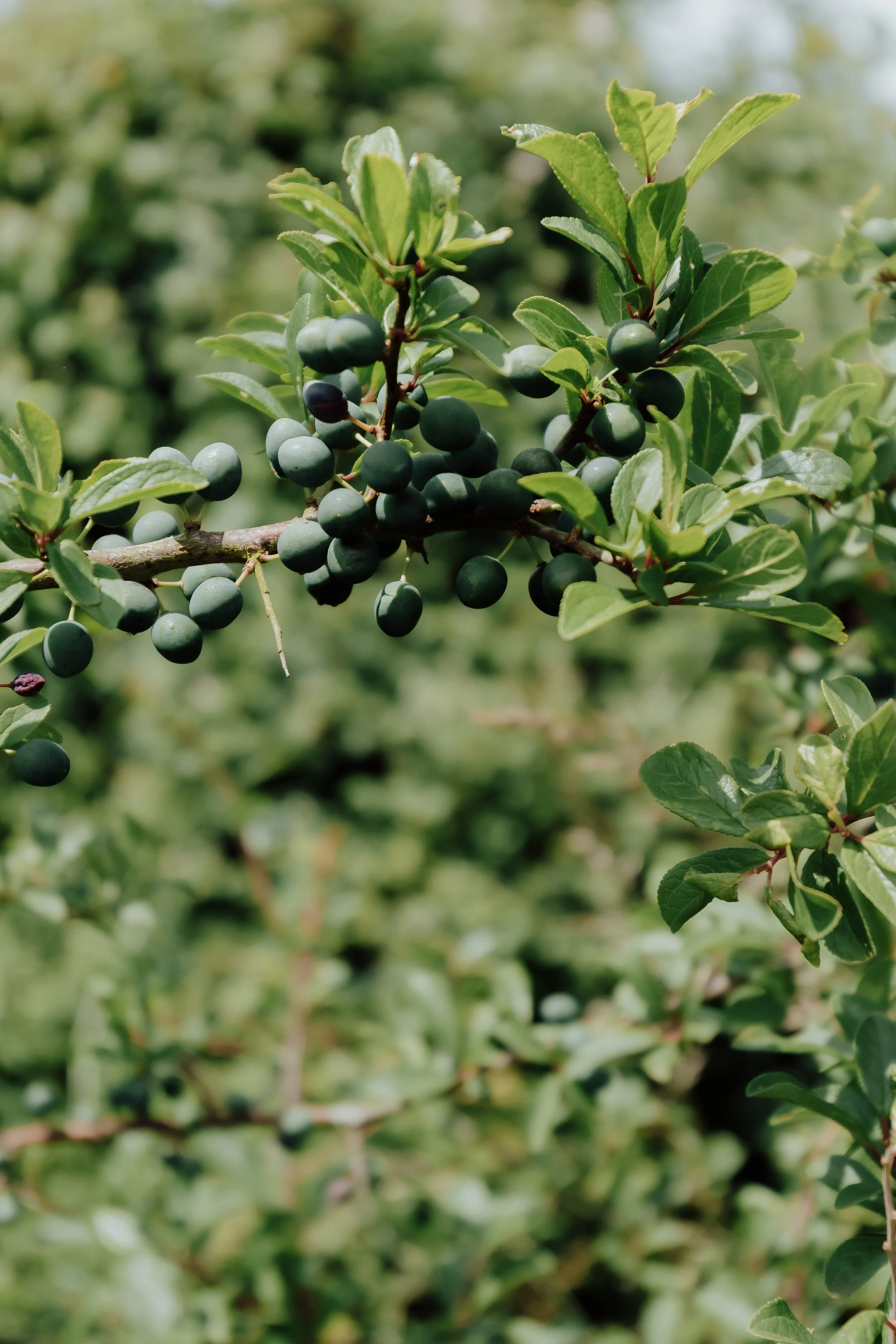
Hedgerow berries begin to form, an important food source for wildlife - Late Summer '25
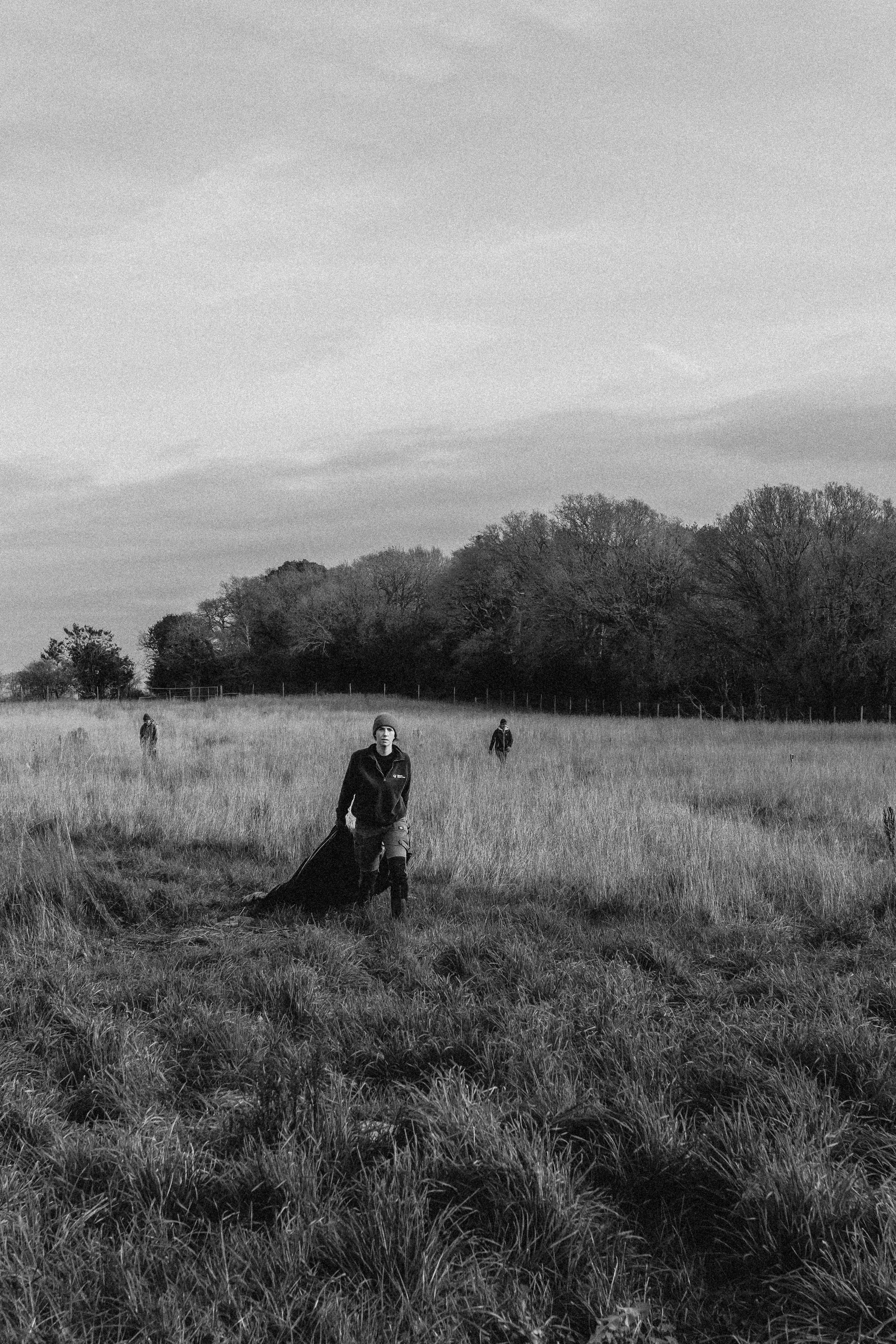
600 trees being planted at a smaller rewilding site in West Holme, Dorset - December '25